Table of Contents

- Board-certified specialists
- Accredited hospitals
- Hotel & VIP transfer included
- 8-language coordinators
OverviewWhat Is CelluIite Contouring Treatment
What Is CelluIite Contouring Treatment
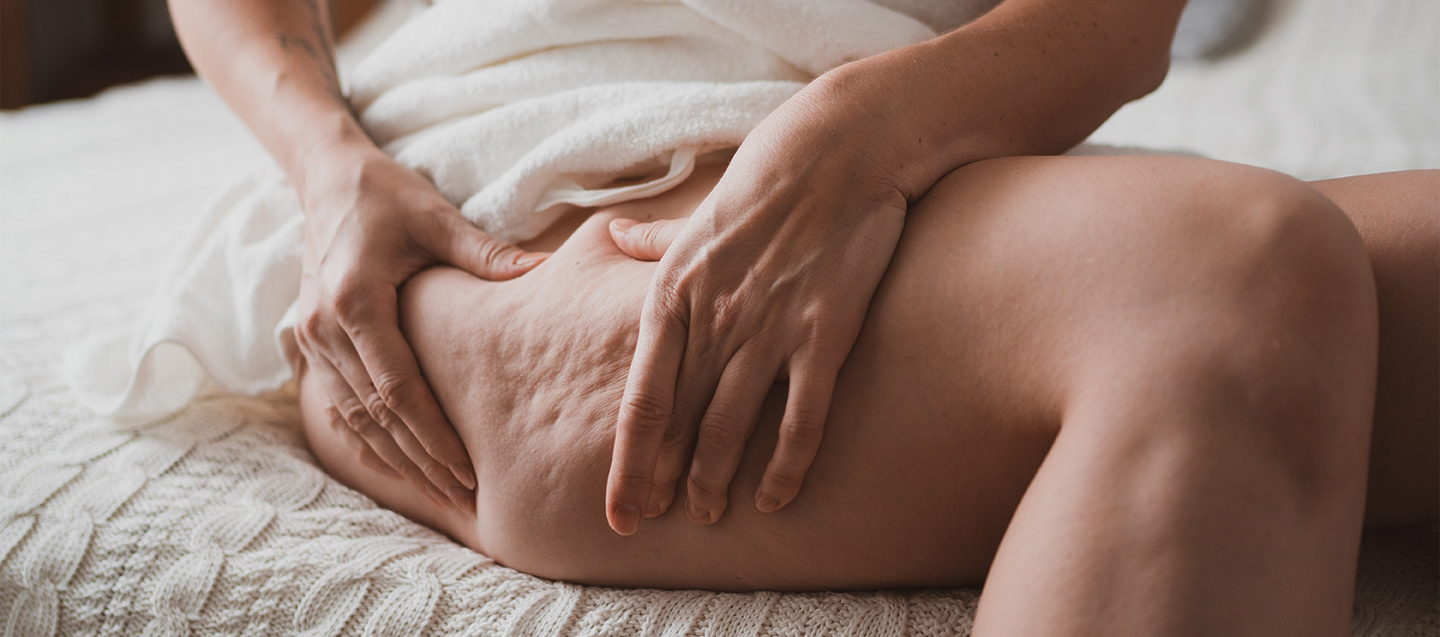
Cellulite is a condition where the skin appears to have areas with underlying fat deposits, resulting in a dimpled, lumpy appearance. It is most commonly found on the buttocks, thighs, and hips and affects many women and, to a lesser extent, men. Cellulite occurs when fat cells beneath the skin push against the connective tissue, creating an uneven surface. The exact cause of cellulite is not fully understood. However, it is believed to be a result of a combination of factors, including genetics, hormones, lifestyle, and diet. While cellulite is completely natural and harmless, many people consider it aesthetically unappealing and seek various treatments to reduce its appearance. These treatments range from simple routine to more invasive procedures to those treatment areas.
- Diet and exercise to encourage losing weight and enhance dimpled skin.
- Cellulite creams and massages.
- Laser treatment and liposuction.
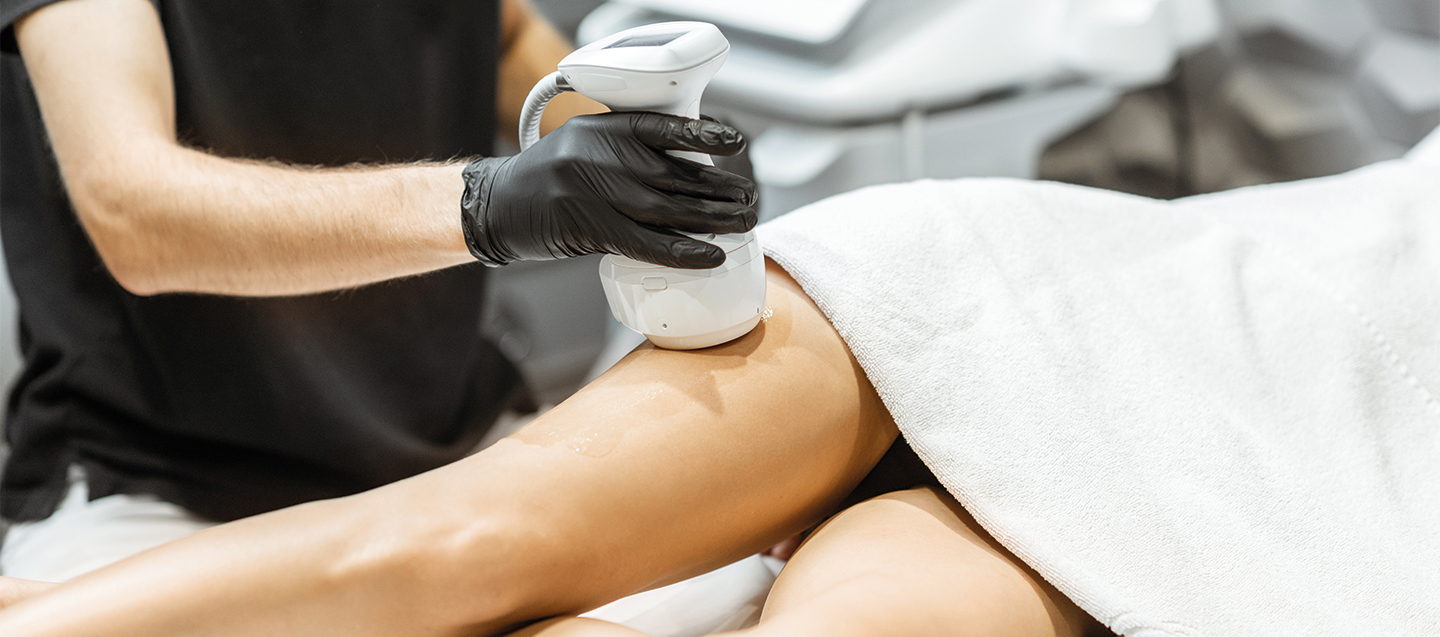
- Radiofrequency and acoustic wave therapy.
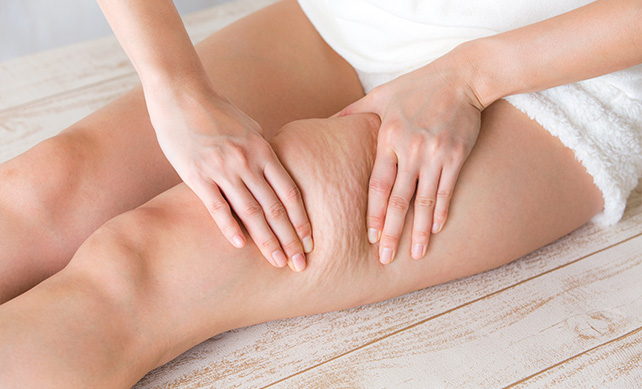
What Causes Cellulite
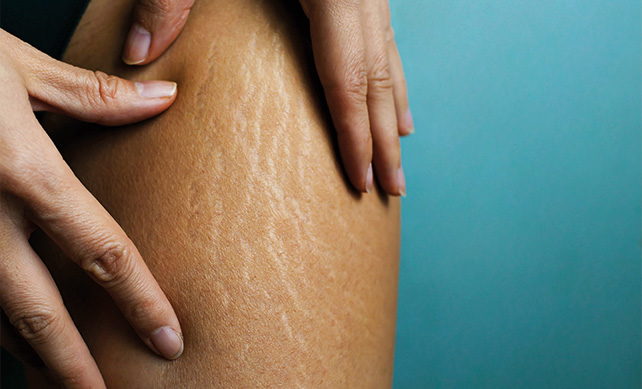
The exact cause of cellulite has yet to be fully understood. Still, it is believed to result from a combination of factors. This influences the structure of the skin, fat distribution, and connective tissue. Some factors that contribute to cellulite development include
- Genetics; Genetic bias can play a role in cellulite development. If your family members have cellulite, you may also be more likely to develop it.
- Hormones; Hormonal factors, particularly estrogen, are thought to play a role in cellulite formation. Changes in hormone levels during puberty, pregnancy, and menopause can affect the appearance of cellulite.
- Gender; Women are more prone to cellulite than men due to differences in fat distribution, connective tissue structure, and hormones. Men typically have a more crisscrossed pattern of connective tissue. This makes it less likely for fat cells to bulge and creates loose skin and a dimpled appearance.
- Age: As we age, skin elasticity decreases, and connective tissue can become less flexible. This may contribute to the development of cellulite.
- Body fat and weight: Excess body fat can increase the likelihood of cellulite development. However, it is essential to note that cellulite can also appear in individuals with a healthy weight.
- Lifestyle factors: It’s essential to note that sedentary lifestyles can contribute to the development of cellulite. It affects weight, circulation, and overall skin health. Sedentary lifestyles like poor diet, smoking, excessive alcohol consumption
- Poor circulation and lymphatic drainage: Reduced blood flow and impaired lymphatic drainage can contribute to cellulite formation. It allows fat deposits to accumulate and connective tissue to weaken.
Your feedback helps us improve.
Thank you for your feedback.