Table of Contents

OverviewWHAT IS A GYNECOMASTIA SURGERY?
WHAT IS A GYNECOMASTIA SURGERY?
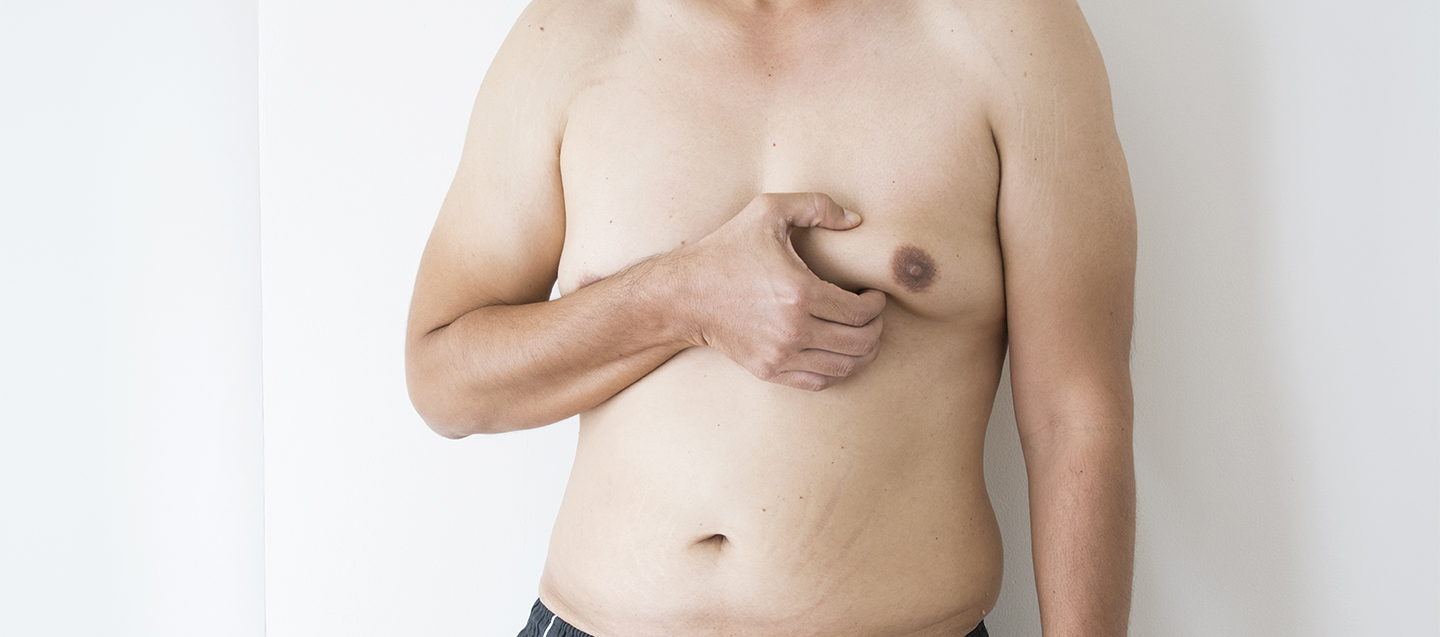
Gynecomastia is a medical condition characterized by the enlargement of breast tissue in males. An imbalance in the levels of the hormones estrogen and testosterone often causes this enlargement. While all males produce some estrogen, an excess of this hormone relative to testosterone can lead to gynecomastia. The condition can affect one or both breasts, sometimes unevenly.
Various factors can contribute to enlarged male breasts, including:
- Natural hormone changes: Hormone levels can fluctuate during different life stages, such as infancy, puberty, and age, potentially leading to gynecomastia.
- Medications: Certain medications can cause gynecomastia as a side effect, including some antibiotics, anti-anxiety medications, antidepressants, and heart medications.
- Health conditions: Some underlying medical conditions, such as liver disease, kidney failure, hypogonadism, or hyperthyroidism, can lead to gynecomastia.
- Drug and alcohol use: The use of substances like alcohol, marijuana, amphetamines, and anabolic steroids can contribute to the development of gynecomastia.
- Herbal products: Some plant oils, such as lavender or tea tree oil, used in soaps, lotions, and shampoos can cause gynecomastia, particularly in prepubertal boys.
Gynecomastia is generally not a severe health concern, but it may cause embarrassment, social anxiety, and discomfort for those affected. In some cases, it may resolve on its own over time. However, if it persists or causes significant distress, medical treatments or surgical interventions, such as liposuction or mastectomy, may be considered.


DetailsSYMPTOMS OF GYNECOMASTIA
SYMPTOMS OF GYNECOMASTIA
The enlargement of breast tissue in males depicts gynecomastia. The symptoms of gynecomastia can vary from mild to severe and may include the following:
- Swollen breast gland tissue: Gynecomastia is a condition characterized by swollen breast gland tissue. This is marked by an increase in the size of the gland tissue. This can cause the breasts to appear larger or more pronounced.
- Tenderness or sensitivity: The enlarged breast tissue may be tender or sensitive to touch. That can cause discomfort, especially when wearing tight clothing or during physical activities.
- Breast pain: Some individuals with gynecomastia may experience breast pain, although this is less common.
- Nipple discharge: In rare cases, gynecomastia can be accompanied by nipple discharge, which may be milky, clear, or bloody.
- Asymmetry: Gynecomastia can affect one or both breasts and may cause unevenness in size or shape.
- Skin changes: Sometimes, the skin over the enlarged breast tissue may become red, itchy, or inflamed.
If you suspect you have gynecomastia or are experiencing any of the above symptoms, it is essential to consult with a healthcare professional.
Your feedback helps us improve.
Thank you for your feedback.