Table of Contents

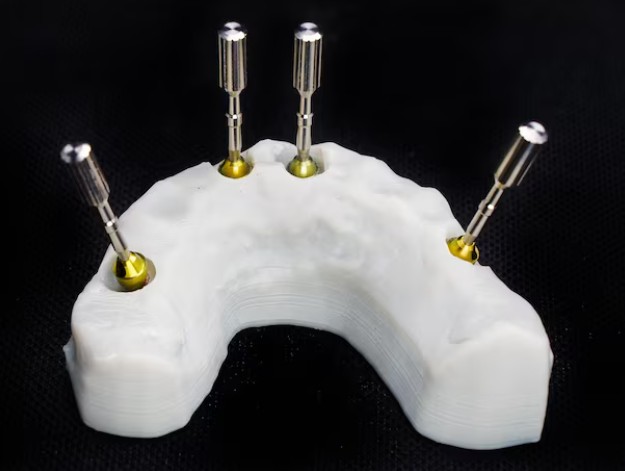
The rehabilitation of the totally edentulous maxilla (the upper jaw) presents one of the most formidable architectural challenges in modern oral and maxillofacial surgery. When a patient suffers from extreme, long-standing tooth loss, or has worn a poorly fitting removable denture for decades, the surrounding alveolar bone undergoes severe, progressive resorption. This horizontal and vertical deterioration is further complicated by the pneumatization (expansion) of the maxillary sinuses, which drops the sinus floor perilously close to the crest of the gum line. Historically, patients presenting with this level of extreme maxillary atrophy were classified as “dental cripples”—individuals deemed entirely ineligible for standard dental implants without undergoing massive, highly invasive reconstructive bone grafting. Today, however, the landscape of severe facial rehabilitation has been permanently revolutionized by an extraordinary biomechanical solution: the zygomatic implant.
The Limitations of Massive Bone Grafting
To understand the profound clinical impact of the zygomatic protocol, one must first evaluate the grueling reality of traditional bone augmentation for severe maxillary defects. While standard sinus lifts and localized bone grafts are highly predictable for mild to moderate bone loss, they reach their biological and practical limits in cases of extreme atrophy.
Rebuilding an entirely resorbed upper jaw traditionally requires an autogenous block graft. This necessitates a secondary, highly invasive surgical site—most commonly harvesting large blocks of cortical bone from the patient’s iliac crest (the hip) or the calvarium (the skull). This approach carries significant surgical morbidity, extreme postoperative pain, and prolonged hospital stays. Furthermore, massive bone grafts require a vascularization and healing period of 12 to 18 months before standard titanium implants can even be safely placed. During this agonizing waiting period, the patient is often forced to remain toothless or wear a highly uncomfortable transitional denture that inevitably rubs against the fragile, healing graft. For many patients, the sheer physical and psychological toll of this multi-year timeline makes traditional grafting an untenable option.
Talk to a Turkeyana consultant
Free evaluation and an all-inclusive quote within 24 hours.
The Zygomatic Anchorage: Bypassing the Maxilla
The zygomatic implant bypasses these devastating clinical hurdles entirely by fundamentally altering the anatomical anchor point. Developed in the late 1980s originally for the rehabilitation of patients who had undergone maxillectomies (the surgical removal of the upper jaw due to aggressive oral cancers), this highly specialized titanium fixture abandons the deficient maxillary bone altogether.
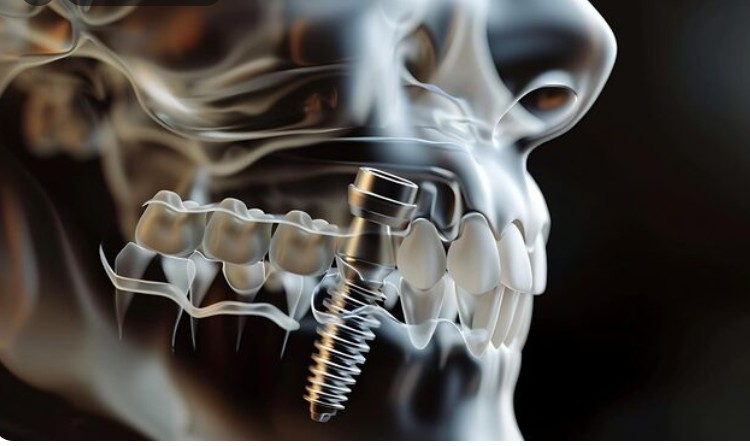
Instead of utilizing the jawbone, these uniquely engineered implants—which are significantly longer than standard fixtures, ranging from 30 to 55 millimeters in length—are surgically anchored deep into the os zygomaticum, commonly known as the cheekbone. The biomechanical genius of this approach lies in the histological structure of the zygomatic bone. Unlike the spongy, highly porous trabecular bone found in the upper jaw, the cheekbone is composed of exceptionally dense, rigid cortical bone. Furthermore, the zygomatic bone is virtually immune to the resorptive processes that destroy the alveolar ridge following tooth loss; it maintains its structural volume and density throughout the patient’s entire lifespan.
The Biomechanics of Immediate Loading
The extraordinary density of the zygomatic bone provides a clinical advantage that represents the holy grail of implantology: unparalleled primary stability. Primary stability refers to the mechanical friction that locks the implant tightly into the bone the moment it is torqued into place. Because the zygomatic bone is so dense, these implants achieve a fixation torque that vastly exceeds that of standard jaw implants.
This immense biomechanical rigidity fulfills the strict medical prerequisites for “immediate loading.” This means that instead of waiting months for the bone to heal and fuse to the titanium, the maxillofacial surgeon can securely attach a fixed, functional acrylic or composite bridge to the zygomatic implants within 24 to 48 hours of the surgery. For the patient, this is a miraculous paradigm shift. They enter the surgical suite suffering from complete toothlessness and severe facial collapse, and they leave the following day with a permanently fixed, highly aesthetic set of teeth, entirely bypassing the need for hip grafts, sinus lifts, and years of waiting.
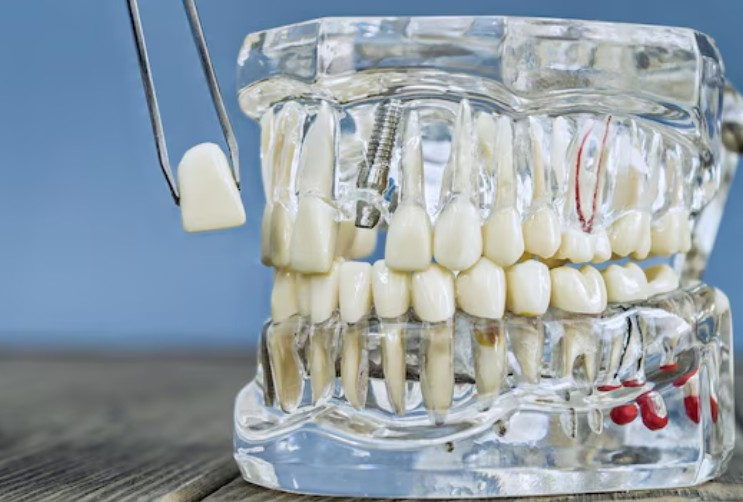
Surgical Execution and the Quad-Zygoma Approach
The placement of zygomatic implants resides in the most elite, highly specialized tier of maxillofacial surgery. It demands a profound, three-dimensional understanding of the extra-maxillary anatomy, as the surgeon must navigate the long titanium fixtures safely past critical structures, including the maxillary sinus cavity, the infraorbital nerve bundle, and the delicate floor of the orbital cavity (the eye socket).
The surgical protocol is heavily dependent on advanced diagnostic imaging. Utilizing ultra-high-definition Cone Beam Computed Tomography (CBCT) and sophisticated digital planning software, the surgeon maps the exact trajectory of the implants virtually before any physical incision is made. In cases where the anterior maxilla still retains some bone, the clinician may pair two zygomatic implants in the posterior region with two to four standard implants in the front. However, in cases of absolute, total maxillary atrophy, the surgeon will execute a “Quad-Zygoma” protocol—placing four zygomatic implants (two on each side) to provide a completely unshakeable, four-point foundation for the final prosthesis, entirely independent of the jawbone.
Navigating the extreme complexities of extra-maxillary implantology requires a medical institution that operates at the absolute zenith of surgical capability. This procedure cannot be performed by a general dentist; it requires the steady hand of a board-certified oral and maxillofacial surgeon operating within a state-of-the-art surgical theater. Turkeyana distinguishes itself globally by offering this profoundly life-changing intervention to international patients who have been turned away by other clinics. By equipping its specialized surgical suites with the world’s most advanced 3D volumetric mapping technology and utilizing exclusively premium, globally recognized zygomatic implant systems, the elite surgical board at Turkeyana executes these demanding procedures with uncompromising precision and absolute safety. For patients suffering from the devastating functional and psychological impact of severe bone atrophy, Turkeyana provides a definitive, highly advanced medical pathway to bypass years of painful grafting and instantly reclaim a powerful, permanently fixed, and beautifully restored smile.
Your feedback helps us improve.
Thank you for your feedback.