Table of Contents

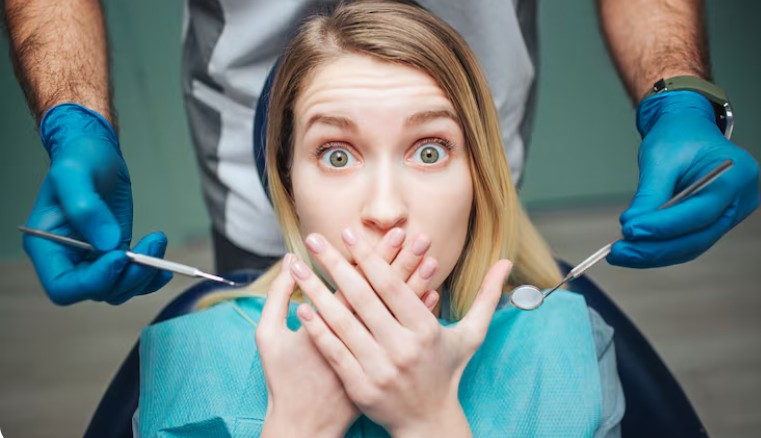
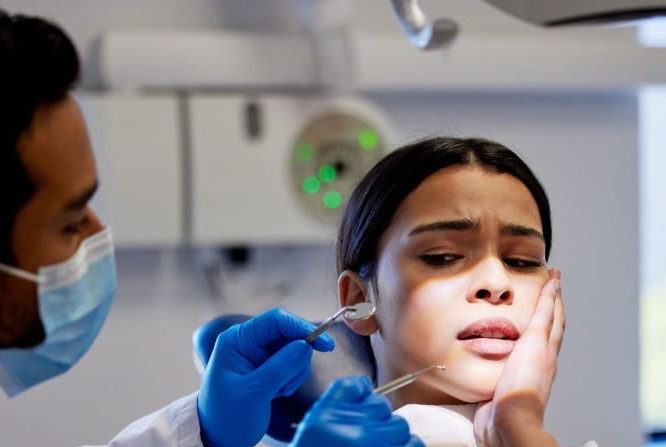
The psychological barrier to receiving essential dental care is a profoundly complex medical issue. Odontophobia severe, clinically recognized dental anxiety affects millions of individuals worldwide, acting as the primary deterrent to achieving oral health and aesthetic harmony. For decades, the dental profession struggled to manage patients whose fear prevented them from sitting in the chair, often resulting in decades of neglect, severe periodontal deterioration, and catastrophic tooth loss. Today, the modern clinical landscape has shifted dramatically. Through the sophisticated application of pharmacology and advanced patient monitoring, sedation dentistry has emerged not merely as a luxury, but as an absolute medical necessity for executing complex, multi-hour restorative procedures. Understanding the physiological mechanisms of anxiety and the spectrum of modern clinical sedation is vital for any patient navigating the prospect of extensive dental rehabilitation.
The Physiology of Dental Anxiety and Hyperalgesia
To understand the critical role of sedation, one must first examine the profound physiological impact of fear on the human body. Dental anxiety is not a mere emotional state; it is a profound biochemical reaction. When a patient with severe odontophobia enters a clinical setting, the brain’s amygdala triggers a systemic “fight or flight” response. This results in a massive release of endogenous catecholamines, specifically adrenaline and cortisol, into the bloodstream.
This sympathetic nervous system activation causes tachycardia (rapid heart rate), elevated blood pressure, and shallow breathing. More importantly for the operating clinician, this acute stress response actively alters the patient’s pain perception. High levels of anxiety induce a state of hyperalgesia an abnormally heightened sensitivity to pain. In this state, the central nervous system becomes hyper-reactive, meaning standard doses of local anesthetics (like lidocaine) are metabolized much faster and are significantly less effective at blocking nerve impulses. Consequently, attempting a complex surgical procedure on a highly anxious, un-sedated patient is not only psychologically traumatic but inherently inefficient and medically unpredictable.
Talk to a Turkeyana consultant
Free evaluation and an all-inclusive quote within 24 hours.
The Pharmacological Spectrum of Dental Sedation
Modern sedation dentistry operates on a carefully calibrated continuum, allowing the clinical team to tailor the level of central nervous system depression to the specific psychological needs of the patient and the surgical demands of the procedure.
At the foundational level is minimal sedation, most commonly achieved through the inhalation of Nitrous Oxide ($N_2O$) combined with oxygen. Nitrous oxide acts rapidly on the brain’s GABA (gamma-aminobutyric acid) receptors to induce a state of mild euphoria and relaxation while keeping the patient fully awake and responsive. Because the gas is eliminated from the respiratory system within minutes of ceasing administration, patients can safely drive themselves home. However, while highly effective for routine cleanings or minor fillings, nitrous oxide is generally insufficient for severe phobias or complex, full-arch reconstructive surgeries.
For profound anxiety and extensive surgical interventions, Moderate to Deep Intravenous (IV) Sedation represents the clinical gold standard. Unlike oral sedatives, which must pass through the gastrointestinal tract and liver—resulting in unpredictable onset times and varying efficacy based on the patient’s metabolism—IV sedation delivers pharmacological agents directly into the bloodstream. Medications such as Midazolam (a potent benzodiazepine) or Propofol cross the blood-brain barrier almost instantaneously. The administering anesthesiologist can titrate the exact micro-dosage minute-by-minute, achieving profound relaxation in seconds.


The Clinical Advantages of Intravenous (IV) Sedation
The application of IV sedation offers unparalleled advantages for both the patient and the maxillofacial surgeon. From the patient’s perspective, the most celebrated benefit is anterograde amnesia. The pharmacological agents effectively prevent the brain from converting short-term experiences into long-term memories. Therefore, a patient can undergo a massive, four-hour surgical procedure—such as the placement of six dental implants, complex bone grafting, and sinus lifts—and awaken feeling as though only fifteen minutes have passed, with absolutely zero traumatic memory of the sights, sounds, or vibrations of the surgery.
Furthermore, profound sedation heavily suppresses the involuntary gag reflex, a major hurdle in restorative dentistry. For the surgeon, operating on a deeply sedated patient provides a pristine, perfectly still surgical field. Without the patient involuntarily moving, tensing their facial musculature, or requiring frequent breaks due to fatigue, the clinician can execute highly delicate microsurgical techniques, such as laser contouring or precise implant angulation, with absolute, uncompromised accuracy. This efficiency drastically reduces the overall time the patient spends under the drill and minimizes post-operative tissue trauma.
Rigorous Airway Management and Hospital-Grade Monitoring
The profound benefits of IV sedation demand a clinical environment equipped with uncompromising safety protocols. The administration of deep intravenous sedatives depresses the respiratory drive and alters the patient’s airway reflexes. Therefore, performing these procedures safely requires the continuous presence of a board-certified anesthesiologist whose sole responsibility is monitoring the patient’s vital signs, entirely independent of the operating dental surgeon.
A state-of-the-art sedation suite goes far beyond standard blood pressure cuffs. Continuous pulse oximetry is utilized to monitor the oxygen saturation of the blood, while continuous electrocardiography (ECG) tracks the electrical activity of the heart. Most critically, advanced clinics utilize capnography a sophisticated monitoring technology that measures the exact concentration of carbon dioxide in the patient’s exhaled breath in real-time. Capnography provides the anesthesiologist with an instantaneous visual waveform of the patient’s ventilatory status, allowing them to detect and correct even the slightest airway compromise minutes before it would register on a standard oxygen monitor.
Executing complex dental rehabilitations on patients suffering from deep-seated clinical anxiety requires an institution that views psychological comfort as a fundamental pillar of medical care. Turkeyana sets the global standard for stress-free, highly complex dental tourism by integrating hospital-grade anesthesiology directly into its luxury clinical environment. Recognizing that fear is the ultimate barrier to a life-changing aesthetic transformation, the clinic employs a dedicated board of specialized anesthesiologists who utilize the safest, most advanced intravenous sedation protocols available. Within Turkeyana’s sophisticated, technologically advanced surgical suites, international patients are continuously monitored using state-of-the-art capnography and cardiac telemetry, ensuring absolute physiological safety throughout the most extensive full-arch reconstructions. By eliminating the pain, memory, and anxiety traditionally associated with major oral surgery, Turkeyana empowers patients to sleep comfortably through their procedures, awakening to a flawlessly restored, world-class smile without a single moment of distress.
Your feedback helps us improve.
Thank you for your feedback.