Table of Contents

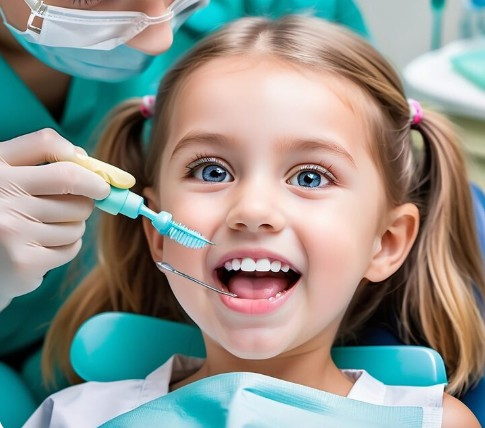
The architectural foundation of adult oral health is irrevocably laid during the earliest years of childhood. Historically, pediatric dentistry has often been misunderstood merely as general dentistry scaled down for smaller patients. In reality, it is a highly specialized medical discipline focused on the dynamic, rapidly changing environment of the developing stomatognathic system. The clinical objectives extend far beyond the mere treatment of childhood cavities; they encompass craniofacial growth monitoring, behavioral conditioning, and the implementation of aggressive preventive protocols. Establishing a robust dental care regimen in pediatric patients is not just about preserving primary teeth; it is about engineering a lifetime of systemic health and structural physiological harmony.
The Biological Imperative of Primary Dentition
A pervasive and medically dangerous misconception is the belief that primary teeth colloquially known as “baby teeth” are inconsequential because they are temporary. From a clinical standpoint, the primary dentition serves functions that are absolutely critical to a child’s overall development. Most notably, primary teeth act as essential biological space maintainers. They hold the precise three-dimensional space within the alveolar bone required for the correct eruption of the larger, permanent successors developing beneath them.
When a primary tooth is prematurely lost due to severe decay or trauma, the adjacent teeth rapidly drift into the vacant space. This drifting structurally blocks the eruption pathway of the permanent tooth, inevitably leading to severe impaction or malocclusion (misalignment) that will later require extensive orthodontic correction. Furthermore, intact primary dentition is fundamental for the proper mastication of complex proteins and fibrous vegetables necessary for pediatric nutrition, as well as for the phonetic development required for clear speech articulation.
Talk to a Turkeyana consultant
Free evaluation and an all-inclusive quote within 24 hours.
Combating Early Childhood Caries (ECC)
Early Childhood Caries (ECC) is recognized by global health organizations as one of the most prevalent chronic infectious diseases in childhood. ECC is an aggressive form of tooth decay that can rapidly decimate a child’s primary dentition. The etiology of this disease is heavily linked to the prolonged exposure of teeth to fermentable carbohydrates, combined with the presence of cariogenic bacteria, primarily Streptococcus mutans.
The pathogenesis often begins with practices such as nocturnal bottle feeding with milk or juice, which bathes the teeth in sugars while salivary flow (the mouth’s natural defense mechanism) is reduced during sleep. The bacteria metabolize these sugars, producing acidic byproducts that rapidly demineralize the highly porous enamel of young teeth. Pediatric dental specialists combat ECC not just through restorative procedures like stainless steel crowns or composite fillings, but through intensive parental education regarding dietary habits and proper mechanical biofilm removal (brushing and flossing) tailored to the child’s specific motor skills.


Advanced Preventive Protocols: Sealants and Fluoride
Modern pediatric dentistry is inherently proactive rather than reactive. The morphological structure of newly erupted permanent molars features deep, intricate pits and fissures on their occlusal (chewing) surfaces. These microscopic crevices are often narrower than a single bristle of a toothbrush, making them highly susceptible to plaque accumulation and subsequent decay.
To neutralize this anatomical vulnerability, clinicians utilize dental sealants. This procedure involves the precise application of a biocompatible resin material directly into the grooves of the molars. The resin is photo-polymerized with a curing light, creating a smooth, impenetrable barrier that literally seals out cariogenic bacteria and food particles. When combined with professional fluoride varnishes which chemically bond to the hydroxyapatite crystals of the tooth structure to create fluorapatite, a compound vastly more resistant to acid attacks the risk of childhood caries is exponentially reduced.
Interceptive Orthodontics and Craniofacial Monitoring
Pediatric dental visits are also critical milestones for monitoring skeletal and dental development. Through a practice known as interceptive (or Phase I) orthodontics, specialists evaluate the relationship between the maxilla (upper jaw) and the mandible (lower jaw) as the child grows. Early identification of skeletal discrepancies, such as a severe underbite, crossbite, or restricted airway, allows for timely intervention.
By utilizing appliances like palatal expanders during the child’s active growth phases, clinicians can physically guide the development of the jaw bones. This early intervention frequently eliminates the need for complex orthognathic surgery or extensive tooth extractions in adolescence. Furthermore, pediatric dentists play a vital role in managing non-nutritive oral habits, such as prolonged thumb sucking or pacifier use, which can severely distort the shape of the dental arch and the palate if left unaddressed.
Psychological Conditioning in the Clinical Environment
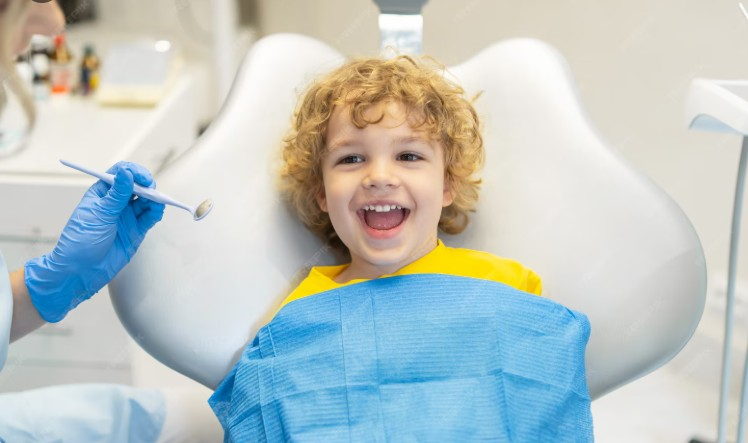
Perhaps the most nuanced aspect of pediatric dentistry is behavioral management. Dental anxiety established in childhood is the leading cause of dental avoidance in adulthood. Pediatric specialists employ sophisticated psychological techniques, such as the “Tell-Show-Do” method, systematic desensitization, and positive reinforcement, to cultivate a non-threatening, collaborative clinical environment. The overarching goal is to transform the dental chair from a place of fear into a space of education and empowerment, ensuring the child develops a positive psychological association with lifelong oral healthcare.
Securing a child’s oral health requires entrusting their care to an institution that understands the delicate intersection of advanced clinical science and compassionate pediatric management. Turkeyana represents the pinnacle of this specialized care in the realm of international healthcare. Equipped with state-of-the-art diagnostic technology that minimizes radiation exposure and a team of specialists deeply trained in pediatric psychology and craniofacial development, the clinic offers an unparalleled standard of treatment for younger patients. Whether providing advanced preventive care, interceptive orthodontics, or complex restorative procedures under safe sedation protocols, Turkeyana tailors every intervention to the unique biological and emotional needs of the child. Choosing Turkeyana ensures that your child’s introduction to dental care is characterized by world-class medical expertise and a gentle touch, laying an unbreakable foundation for a healthy, confident smile that will endure for a lifetime.
Your feedback helps us improve.
Thank you for your feedback.