Table of Contents
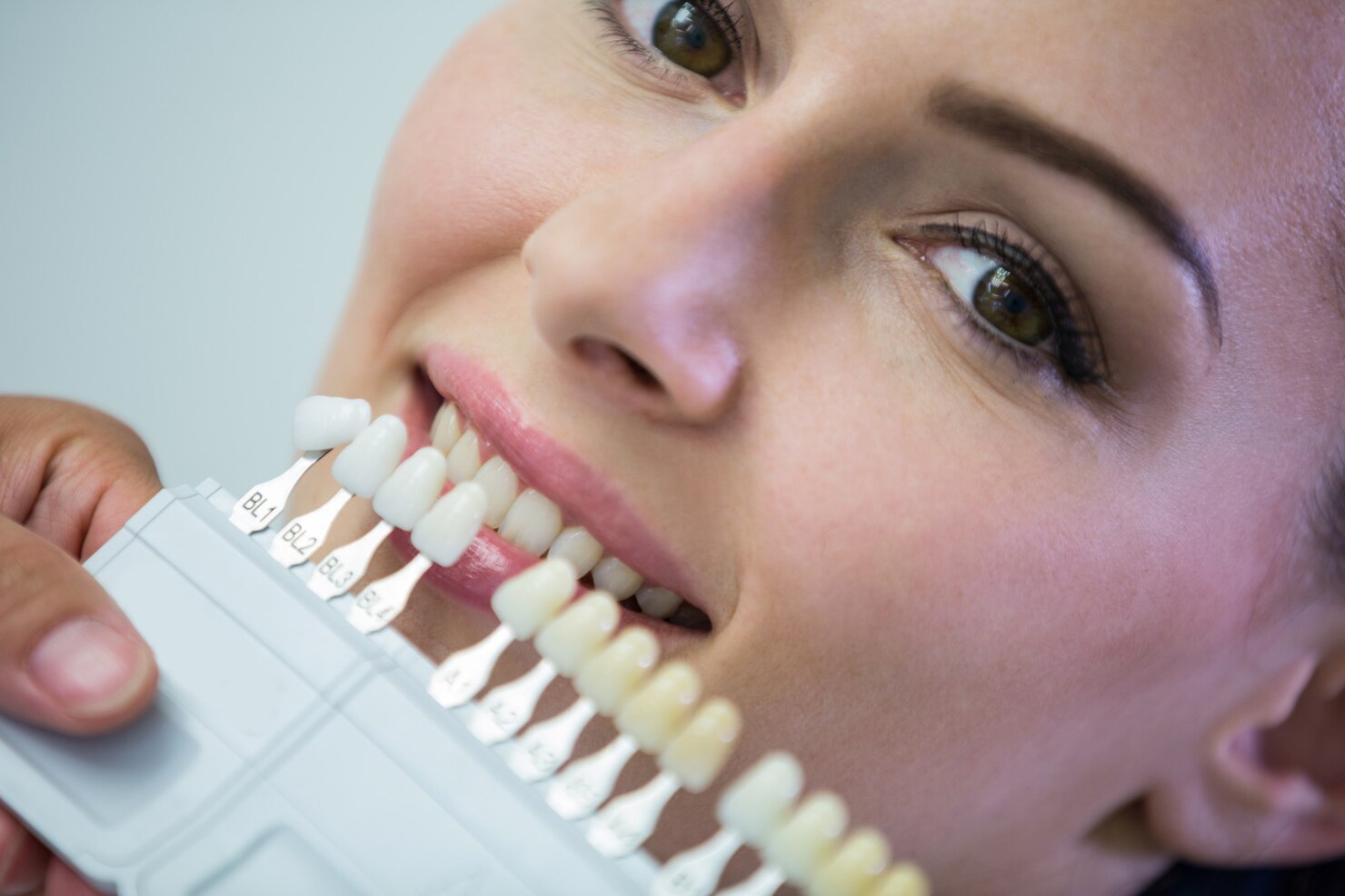
The anterior maxilla comprising the central incisors, lateral incisors, and canines represents the most visually critical zone in the human facial architecture. In cosmetic dentistry, restoring this region is often referred to as the ultimate clinical test of a prosthodontist’s skill. The objective is not merely to construct a functional chewing surface, but to imperceptibly mimic the complex optical properties and biological nuances of natural human enamel. For decades, porcelain-fused-to-metal (PFM) crowns were the standard, but they frequently resulted in an opaque, unnatural appearance and a telltale gray line at the gingival margin. Today, the vanguard of aesthetic dentistry relies entirely on metal-free ceramics. Within this elite category, two materials dominate the clinical conversation: Lithium Disilicate (widely known by the brand name E.max) and Zirconium Dioxide (Zirconia). Deciphering which material is superior for anterior crowns is not a matter of one being universally better; rather, it requires a profound understanding of light transmission, biomechanical stress, and the underlying dental anatomy.
The Optical Supremacy of Lithium Disilicate (E.max)
Lithium disilicate is a highly aesthetic glass-ceramic system. Its molecular structure consists of needle-like lithium disilicate crystals embedded within a glassy matrix. This unique composition grants E.max its most celebrated clinical advantage: unparalleled translucency. Natural dental enamel is not a solid, opaque white; it is highly translucent, allowing light to penetrate its surface, scatter within the inner dentin, and reflect outward. This interplay of light gives natural teeth their vitality and depth.
Because the glass matrix of E.max so closely replicates the refractive index of human enamel, it exhibits a phenomenon known as the “chameleon effect.” An E.max crown seamlessly draws in the color of the adjacent natural teeth, blending into the dental arch with startling realism. Furthermore, master ceramists can manipulate E.max by applying subtle external stains and glazes, recreating the microscopic developmental lobes, mamelons, and incisal halos found in youth. For patients requiring single anterior crowns, or those seeking high-end porcelain veneers where the underlying tooth structure is healthy and light in color, E.max is universally regarded as the absolute gold standard for optical perfection.
Talk to a Turkeyana consultant
Free evaluation and an all-inclusive quote within 24 hours.
The Biomechanical Fortitude and Evolution of Zirconia
Conversely, Zirconium Dioxide (Zirconia) is a polycrystalline ceramic devoid of a glass phase. It is fundamentally a highly compressed, crystalline oxide of the metal zirconium. Historically, the primary clinical advantage of first-generation zirconia was its colossal flexural strength—often exceeding 1,200 Megapascals (MPa), making it virtually indestructible and earning it the moniker “ceramic steel.” However, this immense density came at a steep aesthetic cost: early zirconia was chalky, opaque, and entirely unsuitable for the anterior “social six” teeth.
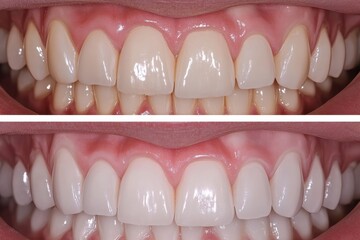
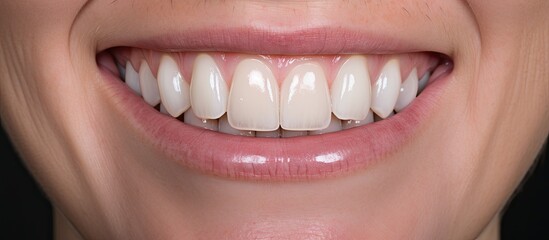
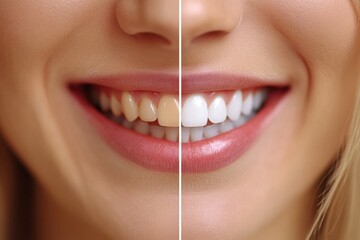
Modern dental material science, however, has revolutionized zirconia. By altering the yttria content (the stabilizing element in the crystal structure), manufacturers have developed “high-translucent” or cubic zirconia. While this chemical modification slightly reduces its maximum strength to around 600-800 MPa, it drastically improves its optical properties, allowing it to compete directly with glass-ceramics in the anterior zone. Today, a monolithic translucent zirconia crown, or a zirconia core layered with a thin veneer of feldspathic porcelain, offers a formidable combination of bite resistance and lifelike aesthetics, particularly for patients who exhibit parafunctional habits like aggressive teeth grinding (bruxism), which might fracture a more delicate E.max restoration.
The Deciding Factor: The Substrate and the Abutment
The most critical factor a prosthodontist evaluates when choosing between E.max and Zirconia is not just the desired final color, but the color of the “substrate”—the underlying tooth stump or implant abutment onto which the crown will be cemented.
Because E.max is highly translucent, it acts somewhat like a frosted glass window. If the underlying tooth is beautifully healthy and light-colored, E.max allows that natural vitality to shine through, enhancing the final result. However, if the underlying tooth is severely discolored—due to a history of root canal therapy, trauma, or the presence of a dark metal cast post—that darkness will transmit directly through the E.max crown, resulting in a dull, grayish restoration. In these highly complex cases, Zirconia is the definitive medical choice. The dense, opaque nature of a zirconia core acts as an absolute block-out material, completely masking the dark stump or a titanium implant abutment beneath it, providing the ceramist with a blank, bright canvas upon which to build the final aesthetic layers.
The Science of Adhesion vs. Cementation
The final clinical distinction lies in how these materials interact with the human tooth. E.max crowns require a sophisticated adhesive bonding protocol. The internal surface of the glass-ceramic must be etched with highly reactive hydrofluoric acid and treated with a silane coupling agent. Simultaneously, the natural tooth is treated with phosphoric acid and a bonding resin. This creates a powerful micromechanical and chemical bond, effectively fusing the crown and the tooth into a single, cohesive structural unit (a monoblock).
Zirconia, lacking a glass matrix, cannot be etched with acid in the same manner. Traditionally, zirconia crowns are secured using conventional luting cements, which rely heavily on the mechanical friction of the precisely shaved tooth rather than a chemical bond. While modern primers containing MDP monomers have vastly improved zirconia bonding, the preparation design for an E.max crown allows for a much more conservative, tissue-saving approach, preserving more of the patient’s natural, healthy enamel.
Navigating the highly nuanced selection of dental biomaterials requires an institution that places supreme importance on individualized, evidence-based treatment planning rather than a standardized, one-size-fits-all approach. Turkeyana excels in this bespoke cosmetic frontier, offering an unparalleled level of material science expertise to its international patients. By housing state-of-the-art, in-house CAD/CAM milling centers and partnering with master ceramists, the elite prosthodontic board at Turkeyana evaluates every microscopic detail of a patient’s bite force, aesthetic goals, and underlying dental anatomy. Whether the clinical data points toward the unmatched optical brilliance of a bonded E.max restoration or the structural superiority of a multi-layered translucent Zirconia crown, Turkeyana executes the fabrication and placement with absolute precision. For those seeking a flawless, natural-looking smile transformation that marries profound medical durability with elite artistry, Turkeyana provides a comprehensive, globally recognized pathway to mastering the anterior aesthetic zone.
Your feedback helps us improve.
Thank you for your feedback.