Table of Contents

Periodontal Health: The Architectural Foundation of a Long-Lasting Smile
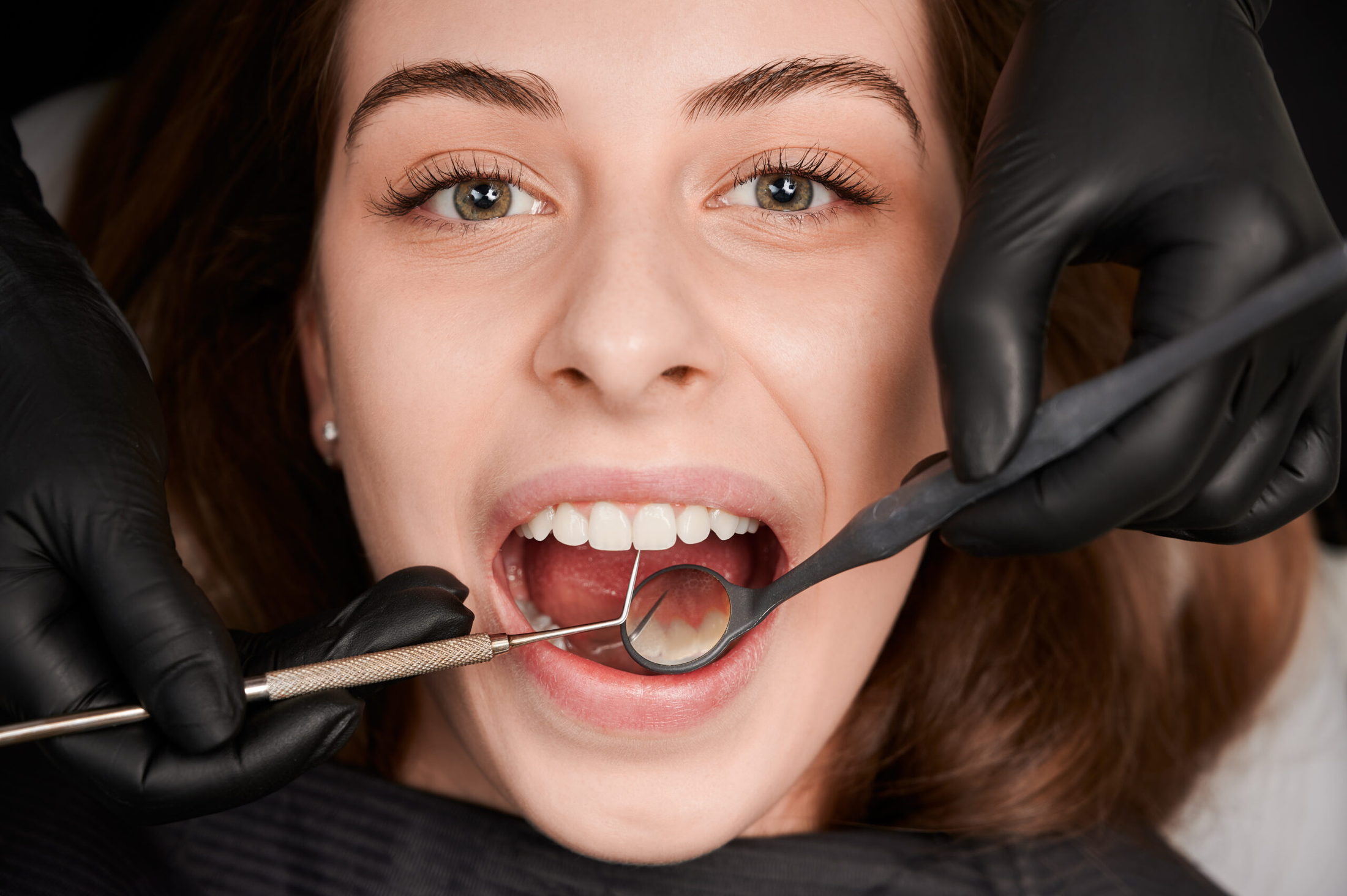
Aesthetic dentistry frequently focuses on the luminescence, symmetry, and shape of the teeth, much like one might admire the pristine facade of a beautifully constructed building. However, clinical reality dictates that the longevity of any dental restoration whether it is a natural tooth, a delicate porcelain veneer, or a robust titanium implant relies entirely on the integrity of its foundation. This biological foundation is the periodontium. Periodontal health is too often overshadowed by immediate cosmetic desires, yet it remains the single most critical determinant of long-term oral stability. Understanding the complex biological mechanisms of the gums and supporting bone is an absolute necessity for anyone seeking to preserve their natural smile or undergo extensive restorative procedures.
The Anatomy of the Support System
To comprehend periodontal disease, one must first understand the architecture of the healthy periodontium. It consists of four primary components: the gingiva (gums), the alveolar bone, the cementum (the calcified substance covering the tooth root), and the periodontal ligament (PDL).
The periodontal ligament is a particularly fascinating and vital structure; it acts as a highly specialized, fibrous shock absorber. It suspends the tooth within the bony socket, preventing the root from fusing directly to the bone and allowing for microscopic, necessary movements during the heavy forces of mastication. When these four structures are entirely healthy, they form a tight, protective biological seal around the neck of the tooth. This seal acts as the primary defense mechanism, preventing pathogenic bacteria in the oral cavity from invading the deeper connective tissues and the underlying vascular system.
Talk to a Turkeyana consultant
Free evaluation and an all-inclusive quote within 24 hours.
The Pathogenesis of Periodontal Disease
The primary etiological factor in periodontal deterioration is dental plaque, a sticky, colorless biofilm composed of highly organized bacterial colonies. If this biofilm is not routinely and mechanically disrupted through proper oral hygiene, it calcifies into a hardened substance known as calculus, or tartar.
The constant presence of these pathogenic bacteria and their toxic byproducts triggers a chronic inflammatory response from the body’s immune system. In the initial, reversible stage, known as gingivitis, the gingival tissues become red, swollen, and highly prone to bleeding upon probing or brushing. If left untreated, the inflammation progresses deep into the tissues, initiating periodontitis. At this severe stage, the chronic immune response essentially turns on the body itself. The inflammatory cascade begins to break down the periodontal ligament and resorb the alveolar bone in a misguided attempt to distance the bacterial infection from the systemic blood supply. This irreversible tissue destruction leads to the formation of deep periodontal pockets, progressive tooth mobility, and ultimately, spontaneous tooth loss.
The Systemic Health Connection
Modern medical literature has definitively established that periodontal health is not an isolated oral concern; it is deeply intertwined with overall systemic health. The ulcerated lining of deep periodontal pockets serves as a direct portal of entry for pathogenic bacteria and inflammatory mediators, such as C-reactive protein, into the systemic bloodstream.
Extensive clinical research has drawn compelling correlations between severe periodontitis and an elevated risk of cardiovascular disease, as the circulating oral bacteria can attach to fatty plaques in the coronary arteries, contributing to clot formation. Furthermore, a highly documented, bidirectional relationship exists between periodontal disease and diabetes mellitus. Elevated blood glucose levels severely compromise the body’s ability to heal periodontal tissues and fight infection, while chronic gum inflammation induces insulin resistance, making it significantly more difficult for diabetic patients to maintain glycemic control.


Advanced Clinical Interventions
Addressing periodontal disease requires a spectrum of sophisticated clinical interventions tailored to the specific severity of the condition. In the early to moderate stages of periodontitis, the gold standard of treatment is a non-surgical procedure known as scaling and root planing (SRP). This meticulous therapy involves utilizing ultrasonic and hand instruments to thoroughly remove plaque, calculus, and bacterial toxins from the tooth surfaces and deep within the periodontal pockets, followed by smoothing the root surfaces to prevent future bacterial adherence.
In more advanced cases, where significant bone resorption has occurred, surgical intervention becomes medically necessary. Advanced techniques such as Guided Tissue Regeneration (GTR) utilize biocompatible barrier membranes and highly advanced bone grafting materials to stimulate the body’s natural ability to regenerate lost bone and connective tissue. Additionally, the integration of soft tissue lasers has revolutionized modern periodontal therapy. Clinicians can now selectively ablate diseased, inflamed tissue and decontaminate deep pockets with precise laser energy, resulting in minimal patient discomfort, reduced bleeding, and vastly accelerated healing timelines.
The Prerequisite for Restorative Success
For individuals traveling internationally for complex dental rehabilitations, achieving absolute periodontal health is a non-negotiable prerequisite. Placing a state-of-the-art titanium implant or a high-end ceramic restoration into a biologically compromised, inflamed environment exponentially increases the risk of clinical failure. Specifically, implants placed in the presence of active gum disease are highly susceptible to peri-implantitis an aggressive inflammatory condition that rapidly destroys the bone supporting the implant. A rigorous, microscopic periodontal assessment must precede any cosmetic or surgical intervention to ensure that the foundational tissues are robust enough to support and sustain the new dental architecture.
Achieving and maintaining this critical foundational health requires the expertise of specialized clinicians who view oral care through a comprehensive, biological lens. Turkeyana provides an elite standard of periodontal and restorative care, utilizing advanced diagnostic protocols, such as 3D volumetric tomography, to evaluate the microscopic health of the gums and bone before any aesthetic work is even considered. By employing a multidisciplinary clinical board that places highly trained periodontists alongside skilled prosthodontists and oral surgeons, the clinic ensures that every comprehensive treatment plan is deeply rooted in structural integrity. International patients benefit from state-of-the-art laser therapies, advanced regenerative surgical techniques, and rigorous clinical hygiene protocols designed to completely eradicate inflammation and rebuild the periodontium. Trusting a smile transformation to Turkeyana means investing in a medical approach that prioritizes long-lasting biological harmony, ensuring that the exquisite aesthetic results achieved are supported by a foundation engineered to endure a lifetime.
Your feedback helps us improve.
Thank you for your feedback.