Table of Contents
- Understanding Modern Hair Transplant Techniques
- What Is FUE Hair Transplant?
- What Is DHI Hair Transplant?
- FUE vs. DHI: Key Differences Explained
- Which Technique Is Better for Natural Results?
- Who Is the Best Candidate for FUE?
- Who Is the Best Candidate for DHI?
- Cost Comparison: FUE vs. DHI Hair Transplant
- Pain and Comfort Levels
- Long-Term Results and Permanency
- Risks and Side Effects
- Can FUE and DHI Be Combined?
- Why Turkey Is a Leading Destination for Both Techniques
- Final Verdict: FUE or DHI?

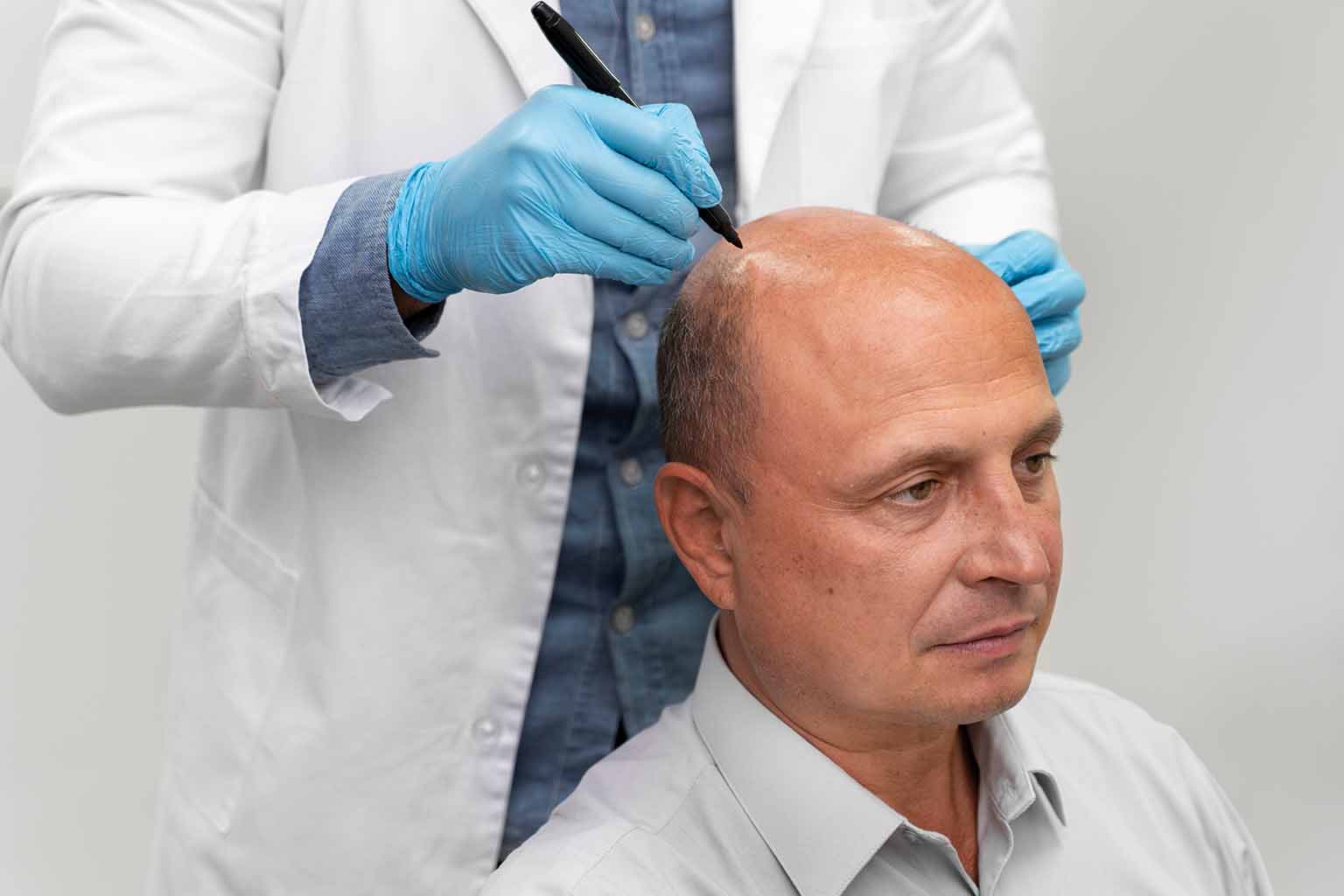
Choosing the right hair transplant technique is one of the most important decisions in your hair restoration journey. Among the modern methods available today, FUE (Follicular Unit Extraction) and DHI (Direct Hair Implantation) are the two most popular and widely performed techniques worldwide. While both offer natural and permanent results, they differ in procedure, precision, recovery time, and suitability for different hair loss patterns.
In this in-depth guide, we will compare FUE vs. DHI hair transplant techniques to help you understand which option may be best for your individual needs.


Understanding Modern Hair Transplant Techniques
Hair transplant technology has evolved significantly over the past two decades. Traditional methods have largely been replaced by minimally invasive techniques that prioritize natural appearance, faster recovery, and patient comfort. Both FUE and DHI are based on the same fundamental principle: transplanting healthy hair follicles from a donor area to thinning or bald areas of the scalp.
The difference lies in how the follicles are implanted.
Talk to a Turkeyana consultant
Free evaluation and an all-inclusive quote within 24 hours.
What Is FUE Hair Transplant?
FUE (Follicular Unit Extraction) is a hair transplant method in which individual hair follicles are extracted one by one from the donor area using a micro-punch tool. These follicles are then implanted into tiny channels created in the recipient area.
Key Steps of the FUE Procedure
- Shaving and preparation of donor area
- Local anesthesia
- Follicle extraction using micro-punches
- Channel opening in the recipient area
- Graft implantation
- Post-procedure care
Advantages of FUE
- No linear scar
- Faster healing compared to older techniques
- Natural-looking results
- Suitable for large areas of hair loss
- Ideal for patients who prefer short hairstyles
FUE is widely used and considered the gold standard for many hair transplant cases.
What Is DHI Hair Transplant?
DHI (Direct Hair Implantation) is an advanced variation of the FUE method. The main difference is that extracted hair follicles are implanted directly into the scalp using a specialized implanter pen, without the need to open channels beforehand.
Key Steps of the DHI Procedure
- Donor area preparation
- Local anesthesia
- Follicle extraction
- Direct implantation using an implanter pen
- Post-procedure care
Advantages of DHI
- Higher implantation precision
- Better control of hair angle and direction
- Higher density results
- Less bleeding
- Faster recovery time
- No need to shave the recipient area (in some cases)
DHI is often preferred for patients seeking maximum density or refined hairline work.
FUE vs. DHI: Key Differences Explained
Implantation Technique
- FUE: Channels are opened first, then follicles are placed
- DHI: Follicles are implanted directly using an implanter pen
Density and Precision
DHI allows for more precise placement, making it ideal for areas like the hairline, temples, and eyebrows. FUE provides excellent density as well but may be slightly less precise in certain cases.
Recovery Time
Both techniques have relatively quick recovery periods, but DHI typically involves less trauma to the scalp, leading to reduced swelling and faster healing.
Shaving Requirements
- FUE: Usually requires shaving the recipient area
- DHI: Can often be performed without shaving the recipient area
Procedure Duration
DHI procedures may take longer due to the meticulous implantation process, while FUE can be faster for large graft sessions.
Which Technique Is Better for Natural Results?
Both FUE and DHI can produce extremely natural results when performed by experienced specialists. Natural outcomes depend more on:
- Hairline design
- Angle and direction of implantation
- Surgeon expertise
- Quality of donor hair
DHI may offer a slight advantage in hairline refinement due to its precision, while FUE excels in covering larger bald areas efficiently.
Who Is the Best Candidate for FUE?
FUE is often recommended for individuals who:
- Have advanced hair loss
- Need a high number of grafts
- Want cost-effective treatment
- Are comfortable shaving the recipient area
- Have good donor area density
FUE is especially effective for crown and mid-scalp restoration.
Who Is the Best Candidate for DHI?
DHI is ideal for patients who:
- Want maximum density
- Need detailed hairline work
- Prefer minimal shaving
- Have mild to moderate hair loss
- Want faster recovery
DHI is commonly chosen for frontal hairline restoration and cosmetic refinement.
Cost Comparison: FUE vs. DHI Hair Transplant
In most cases, DHI hair transplant is more expensive than FUE due to:
- Specialized implanter tools
- Longer procedure time
- Higher technical skill requirements
However, pricing varies depending on country, clinic reputation, number of grafts, and included services. Many patients find the additional cost worthwhile for the precision and density benefits of DHI.
Pain and Comfort Levels
Both techniques are performed under local anesthesia, making the procedure virtually painless. Patients may experience mild discomfort during anesthesia administration and slight soreness afterward, but overall pain levels are minimal for both FUE and DHI.
Long-Term Results and Permanency
Hair transplanted using either FUE or DHI is permanent because the follicles are taken from genetically resistant donor areas. Once growth is complete—typically within 12 months—the hair behaves like natural hair and can be washed, styled, and cut normally.
Risks and Side Effects
Both procedures are considered safe when performed by qualified professionals. Possible temporary side effects include:
- Swelling
- Redness
- Itching
- Shock loss
- Mild scabbing
Proper aftercare and professional follow-up significantly reduce risks.
Can FUE and DHI Be Combined?
Yes. In some cases, surgeons combine both techniques to maximize results. For example, DHI may be used for the hairline while FUE covers larger areas behind it. This hybrid approach allows for both density and efficiency.
Why Turkey Is a Leading Destination for Both Techniques
Turkey has become a global leader in hair transplant procedures due to:
- Highly trained specialists
- Advanced medical technology
- Affordable treatment packages
- International patient services
Patients from around the world choose Turkey for both FUE and DHI hair transplant procedures.
Final Verdict: FUE or DHI?
There is no one-size-fits-all answer. The best technique depends on your hair loss pattern, expectations, budget, and long-term goals. A professional consultation is essential to determine the most suitable option for you.
Clinics like Turkeyana offer both FUE and DHI hair transplant techniques, providing personalized treatment plans based on individual needs. With advanced technology, experienced medical teams, and a strong focus on natural results, Turkeyana continues to be a trusted choice for patients seeking effective and reliable hair restoration solutions.
Your feedback helps us improve.
Thank you for your feedback.