Table of Contents
- Why Hair Transplant Myths Are So Common
- Myth 1: Hair Transplants Look Fake
- Myth 2: Hair Transplant Is Very Painful
- Myth 3: Hair Transplants Are Only for Men
- Myth 4: Results Are Immediate
- Myth 5: Hair Transplants Are Not Permanent
- Myth 6: Anyone Can Get a Hair Transplant
- Myth 7: One Hair Transplant Solves All Future Hair Loss
- Myth 8: Hair Transplants Leave Big Scars
- Myth 9: Hair Transplant Is Too Risky
- Myth 10: Cheap Hair Transplants Are Just as Good
- Myth 11: Hair Transplants Are Only for Severe Baldness
- Myth 12: Recovery Takes a Very Long Time
- Myth 13: Transplanted Hair Needs Special Maintenance Forever
- Why Believing Myths Can Delay Effective Treatment
- How to Get Accurate Information About Hair Transplants
- The Role of Technology in Eliminating Old Myths
- Knowledge Is the Key to Confidence

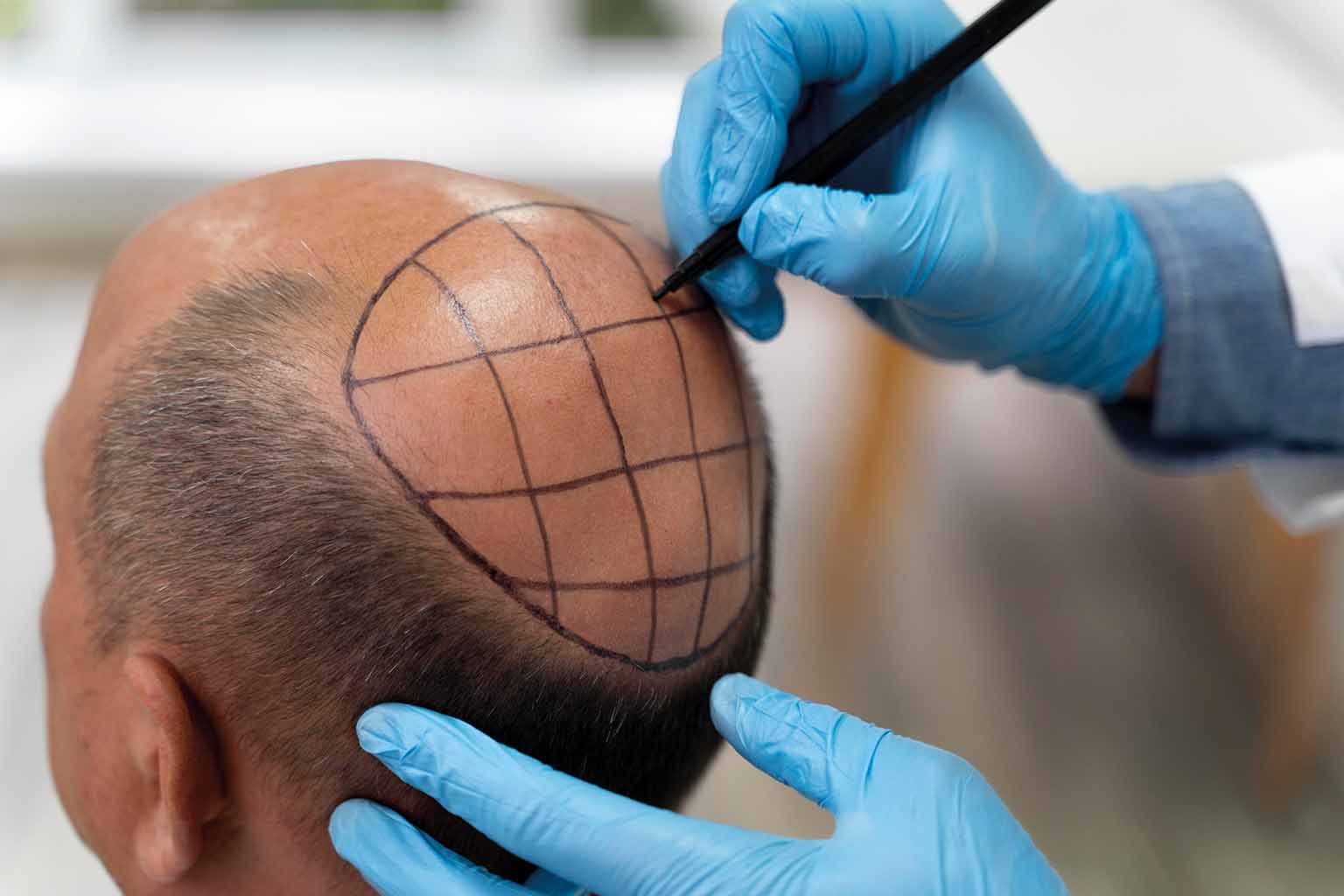
Hair transplant procedures have become increasingly popular thanks to advanced technology, natural-looking results, and high success rates. However, despite these advancements, many myths and misconceptions still surround hair transplantation. These myths often prevent people from making informed decisions or create unrealistic fears and expectations.
In this article, we debunk the most common hair transplant myths, explain the facts behind them, and help you understand what modern hair restoration is really like.


Why Hair Transplant Myths Are So Common
Hair transplant myths persist for several reasons:
- Outdated information from older techniques
- Misinformation on social media
- Unrealistic marketing claims
- Fear of surgery
- Lack of proper consultation
Modern hair transplant procedures are very different from what many people imagine based on old stories or inaccurate sources.
Talk to a Turkeyana consultant
Free evaluation and an all-inclusive quote within 24 hours.
Myth 1: Hair Transplants Look Fake
This is one of the most widespread myths and one of the most outdated.
The Truth
When performed by skilled specialists using modern techniques like FUE or DHI, hair transplants look completely natural. Natural results depend on:
- Correct hairline design
- Proper angle and direction of implantation
- Balanced density
- Surgeon experience
Unnatural results are usually associated with outdated methods or inexperienced clinics.
Myth 2: Hair Transplant Is Very Painful
Many people believe hair transplant surgery is extremely painful.
The Truth
Hair transplants are performed under local anesthesia. Patients may feel mild discomfort during anesthesia administration, but the procedure itself is largely painless. Post-procedure soreness is usually mild and temporary.
Most patients describe the experience as far more comfortable than expected.
Myth 3: Hair Transplants Are Only for Men
Hair loss is often associated with men, but women experience hair loss as well.
The Truth
Hair transplants can be effective for women with suitable hair loss patterns, including:
- Thinning hairlines
- Traction alopecia
- Scar-related hair loss
- Eyebrow and temple restoration
Female hair transplant procedures are becoming increasingly common and successful.
Myth 4: Results Are Immediate
Some believe hair transplant results appear instantly.
The Truth
Hair growth is a gradual process. After surgery:
- Transplanted hair sheds within the first month
- New growth starts around month 3
- Visible improvement appears around month 6
- Final results take up to 12 months
Patience is essential for successful hair transplant results.
Myth 5: Hair Transplants Are Not Permanent
There is a common belief that transplanted hair will fall out again.
The Truth
Hair transplants are permanent because donor hair is genetically resistant to hair loss. Once the follicles establish themselves, they continue growing hair for a lifetime under normal conditions.
Myth 6: Anyone Can Get a Hair Transplant
Some people assume that hair transplant surgery works for everyone.
The Truth
Not everyone is an ideal candidate. Suitability depends on:
- Donor area quality
- Hair loss pattern
- Overall health
- Age and expectations
A professional consultation is necessary to determine eligibility.
Myth 7: One Hair Transplant Solves All Future Hair Loss
This myth creates unrealistic expectations.
The Truth
A hair transplant restores hair in specific areas but does not stop future hair loss in non-transplanted regions. Long-term planning may include:
- Medication
- PRP therapy
- Additional sessions in some cases
A comprehensive approach ensures balanced, long-lasting results.
Myth 8: Hair Transplants Leave Big Scars
Many people fear visible scarring after surgery.
The Truth
Modern techniques like FUE and DHI leave tiny, dot-like scars that are virtually invisible once healed. There is no linear scar, and most patients can comfortably wear short hairstyles.
Myth 9: Hair Transplant Is Too Risky
Surgical procedures naturally raise safety concerns.
The Truth
Hair transplant surgery is considered very safe when performed by licensed professionals in accredited clinics. Complications are rare and usually minor when proper protocols are followed.
Myth 10: Cheap Hair Transplants Are Just as Good
Low-cost offers can be tempting.
The Truth
Extremely cheap procedures often compromise:
- Surgeon involvement
- Graft quality
- Hygiene standards
- Aftercare support
Choosing a clinic based solely on price can lead to disappointing or unsafe outcomes.
Myth 11: Hair Transplants Are Only for Severe Baldness
Some believe hair transplants are only for advanced hair loss.
The Truth
Hair transplants are effective for:
- Early-stage hair loss
- Hairline recession
- Crown thinning
- Density enhancement
Early intervention often leads to better, more natural results.
Myth 12: Recovery Takes a Very Long Time
Fear of downtime stops many people from proceeding.
The Truth
Most patients return to work within 5–7 days. Visible signs fade quickly, and daily routines resume sooner than expected.
Myth 13: Transplanted Hair Needs Special Maintenance Forever
The Truth
Once fully grown, transplanted hair behaves like natural hair. It can be washed, styled, cut, and treated normally without special products.
Why Believing Myths Can Delay Effective Treatment
Misinformation can cause:
- Unnecessary fear
- Delayed decision-making
- Progression of hair loss
- Missed treatment opportunities
Relying on accurate medical advice is essential.
How to Get Accurate Information About Hair Transplants
To avoid myths:
- Consult experienced specialists
- Review real patient results
- Ask detailed questions
- Avoid exaggerated online claims
Education leads to confident and informed decisions.
The Role of Technology in Eliminating Old Myths
Advancements in hair restoration have dramatically improved:
- Natural appearance
- Comfort levels
- Recovery time
- Long-term success
Many myths are rooted in outdated techniques that are no longer used.
Knowledge Is the Key to Confidence
Hair transplant myths often discourage people from exploring a safe and effective solution to hair loss. Understanding the facts allows you to approach hair restoration with confidence and realistic expectations.
Clinics like Turkeyana prioritize patient education, transparency, and modern techniques to eliminate misinformation. By combining expert medical teams with advanced technology, Turkeyana helps patients achieve natural, reliable results free from the fears and myths that surround hair transplantation.
Your feedback helps us improve.
Thank you for your feedback.