Table of Contents
- Understanding Hair Loss in Women
- Common Causes of Hair Loss in Women
- Can Women Get a Hair Transplant?
- Hair Transplant Techniques for Women
- Do Women Need to Shave Their Hair?
- What Is the Recovery Like for Women?
- Results: What Can Women Expect?
- Emotional Impact of Hair Transplant for Women
- Common Myths About Hair Transplant for Women
- Non-Surgical Alternatives for Women
- Importance of Choosing the Right Clinic
- Why Turkey Is a Popular Destination for Female Hair Transplants
- Is Hair Transplant Right for Women?

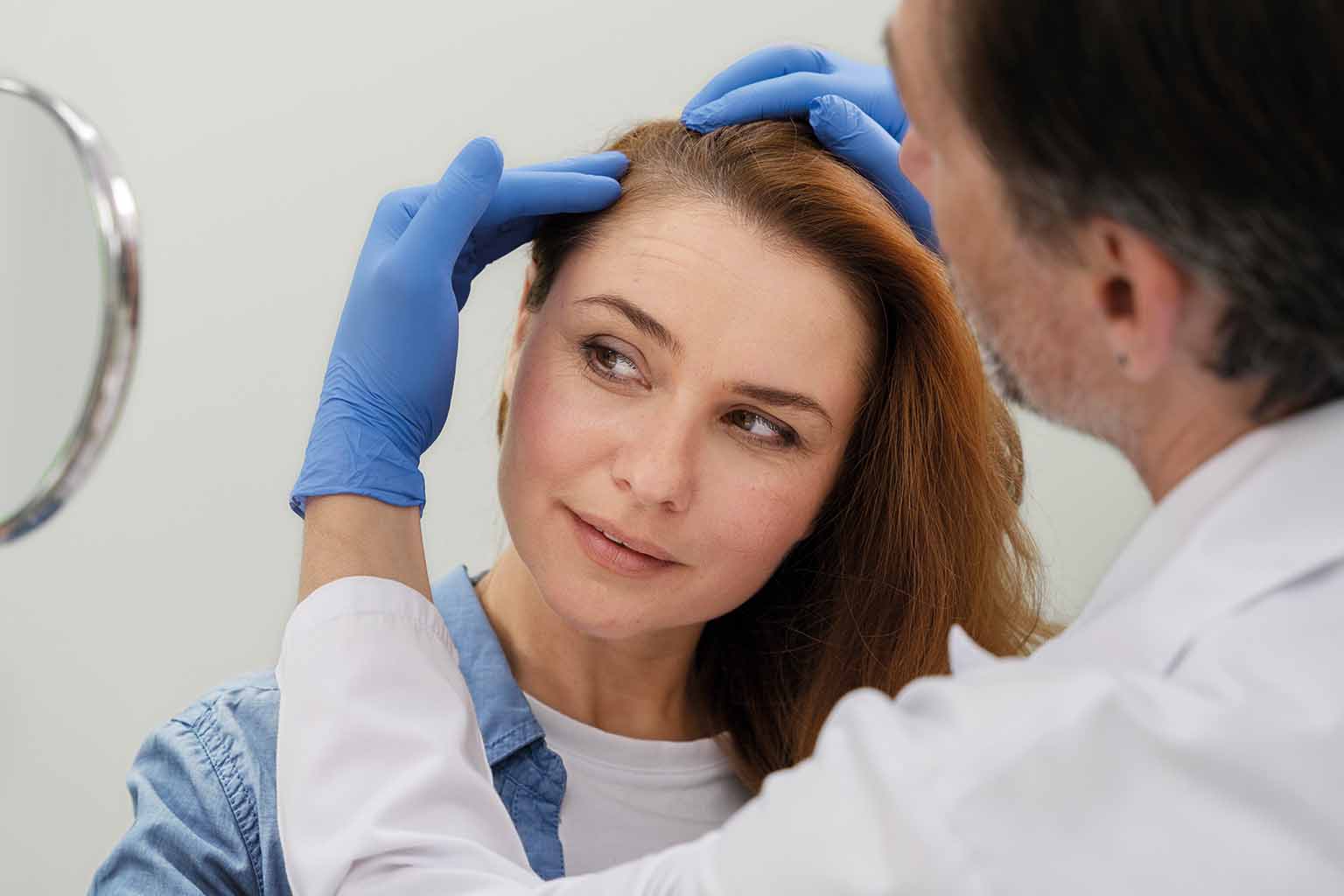
Hair loss is often seen as a male issue, but millions of women around the world experience hair thinning or hair loss at some point in their lives. For many women, this can be emotionally distressing and deeply affect self-confidence. Fortunately, advances in modern hair restoration have made hair transplant for women a safe, effective, and increasingly popular solution.
In this comprehensive guide, we explore the causes of female hair loss, whether women are good candidates for hair transplant surgery, available techniques, and what kind of results women can realistically expect.

Understanding Hair Loss in Women
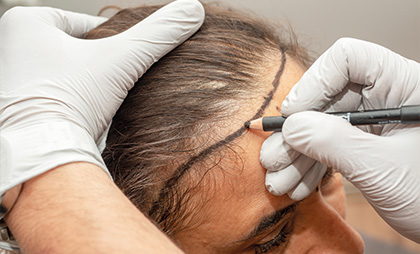
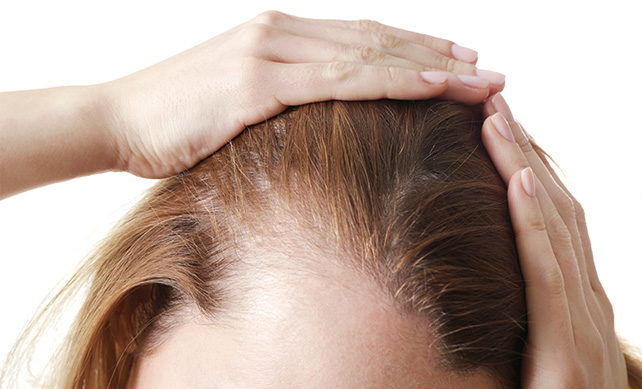
Female hair loss differs from male hair loss in both pattern and cause. While men typically experience receding hairlines or bald spots, women more often suffer from diffuse thinning, especially on the top and crown of the scalp.
Hair loss in women can be gradual and subtle, making early diagnosis especially important.
Talk to a Turkeyana consultant
Free evaluation and an all-inclusive quote within 24 hours.
Common Causes of Hair Loss in Women
Identifying the cause of hair loss is the first step in determining whether a hair transplant is the right solution.
Female Pattern Hair Loss (FPHL)
Also known as androgenetic alopecia, this is the most common cause of hair loss in women. It usually presents as:
- Widening of the central part
- Diffuse thinning on the crown
- Preservation of the frontal hairline
FPHL is genetic and progressive but can often be treated successfully with hair transplant surgery in suitable candidates.
Hormonal Changes
Hormonal fluctuations can significantly impact hair growth. Common triggers include:
- Pregnancy and postpartum changes
- Menopause
- Polycystic ovary syndrome (PCOS)
- Thyroid disorders
In some cases, hair loss stabilizes once hormones are balanced.
Stress and Lifestyle Factors
Chronic stress, rapid weight loss, poor nutrition, and lack of sleep can lead to temporary hair shedding known as telogen effluvium. This type of hair loss is usually reversible and may not require surgery.
Traction Alopecia
Hairstyles that pull on the hair such as tight ponytails, braids, or extensions can cause localized hair loss. Hair transplants can be very effective once the damaging habits are stopped.
Medical Conditions and Treatments
Autoimmune diseases, anemia, and treatments such as chemotherapy can also lead to hair loss. In these cases, a hair transplant may be considered only after the condition is stable.
Can Women Get a Hair Transplant?
Yes women can absolutely undergo hair transplant surgery, but candidacy is more selective compared to men.
Women are typically good candidates if they:
- Have localized thinning or bald patches
- Possess a strong and dense donor area
- Have stable hair loss
- Do not suffer from diffuse unpatterned alopecia
A detailed consultation is essential to determine eligibility.
Hair Transplant Techniques for Women
Modern hair transplant techniques are highly adaptable and can be tailored to female hair loss patterns.
FUE (Follicular Unit Extraction)
FUE is commonly used for female patients because:
- It does not leave a linear scar
- Healing is fast
- Results look natural
- Hair can be worn long
FUE is ideal for restoring density in thinning areas.
DHI (Direct Hair Implantation)
DHI is often preferred for women who want:
- Higher density
- Maximum precision
- Minimal shaving
In many cases, the recipient area does not need to be shaved at all, making DHI especially attractive for female patients.
Hairline and Eyebrow Transplants
Women may also undergo hair transplants for:
- Lowering or reshaping the hairline
- Restoring temple areas
- Eyebrow reconstruction
These procedures require advanced artistic skill and precision.
Do Women Need to Shave Their Hair?
This is one of the most common concerns among female patients.
- FUE: May require partial shaving, usually hidden under longer hair
- DHI: Often performed without shaving the recipient area
Modern techniques prioritize discretion and comfort for female patients.
What Is the Recovery Like for Women?
The recovery process for women is very similar to that of men, with some added advantages due to longer hair coverage.
Recovery Timeline
- Days 1–7: Mild redness and scabbing
- Weeks 2–4: Temporary shedding (shock loss)
- Months 3–4: New hair growth begins
- Months 6–9: Visible density improvement
- 12 months: Final results
Most women return to daily activities within a week.
Results: What Can Women Expect?
Hair transplant results for women are often subtle but transformative.
Natural Appearance
When done correctly, results are:
- Undetectable
- Soft and natural-looking
- Fully integrated with existing hair
Density Improvement
Hair transplants increase density in targeted areas, creating the appearance of fuller hair rather than dramatic bald-to-full transformations.
Long-Term Satisfaction
Transplanted hair is permanent and continues to grow naturally, offering long-lasting improvement.
Emotional Impact of Hair Transplant for Women
Hair loss can deeply affect a woman’s emotional well-being. Successful hair restoration often leads to:
- Improved self-esteem
- Reduced anxiety
- Greater confidence in social and professional settings
- Enhanced overall quality of life
Many women describe hair transplant surgery as life-changing.
Common Myths About Hair Transplant for Women
“Hair transplants don’t work for women”
False. With proper candidate selection, results can be excellent.
“Results look obvious”
False. Modern techniques focus on natural density and blending.
“Recovery is too difficult”
False. Recovery is generally quick and manageable.
Non-Surgical Alternatives for Women
In some cases, non-surgical treatments may be recommended before or alongside surgery:
- Minoxidil
- PRP therapy
- Nutritional supplements
- Hormonal treatment
A combined approach often delivers the best outcomes.
Importance of Choosing the Right Clinic
Hair transplant for women requires:
- Advanced planning
- Experience with female hair loss patterns
- Artistic hairline design
- Discreet treatment options
Choosing a clinic experienced in female hair restoration is crucial.
Why Turkey Is a Popular Destination for Female Hair Transplants
Turkey has become a top destination for women seeking hair transplants due to:
- Experienced specialists
- Advanced FUE and DHI techniques
- Affordable pricing
- High privacy standards
- International patient support
Women from around the world travel to Turkey for safe and effective hair restoration.
Is Hair Transplant Right for Women?
Hair transplant surgery can be a powerful and permanent solution for women experiencing hair loss but only when performed on the right candidates with the right approach. A personalized treatment plan is essential for natural and satisfying results.
Clinics like Turkeyana specialize in both male and female hair transplant procedures, offering tailored solutions based on individual hair loss patterns and expectations. With experienced medical teams, advanced techniques, and a strong focus on natural aesthetics, Turkeyana continues to be a trusted choice for women seeking safe, discreet, and effective hair restoration.
Your feedback helps us improve.
Thank you for your feedback.