Table of Contents
- Why Hair Transplant Aftercare Is So Important
- The First 24 Hours After Hair Transplant
- Sleeping Position After Hair Transplant
- Washing Your Hair After a Hair Transplant
- Scab Care and Healing
- Managing Swelling and Redness
- Medications and Supplements
- Smoking and Alcohol After Hair Transplant
- Physical Activity and Exercise
- Sun Exposure and Heat
- Itching After Hair Transplant
- Hair Transplant Shock Loss: Don’t Panic
- Nutrition for Faster Healing and Hair Growth
- When Will New Hair Start Growing?
- Hair Styling and Grooming After Transplant
- Follow-Up Appointments and Long-Term Care
- Common Aftercare Mistakes to Avoid
- Emotional Patience During the Recovery Process
- Why Professional Aftercare Support Matters
- Aftercare Is the Key to Great Results

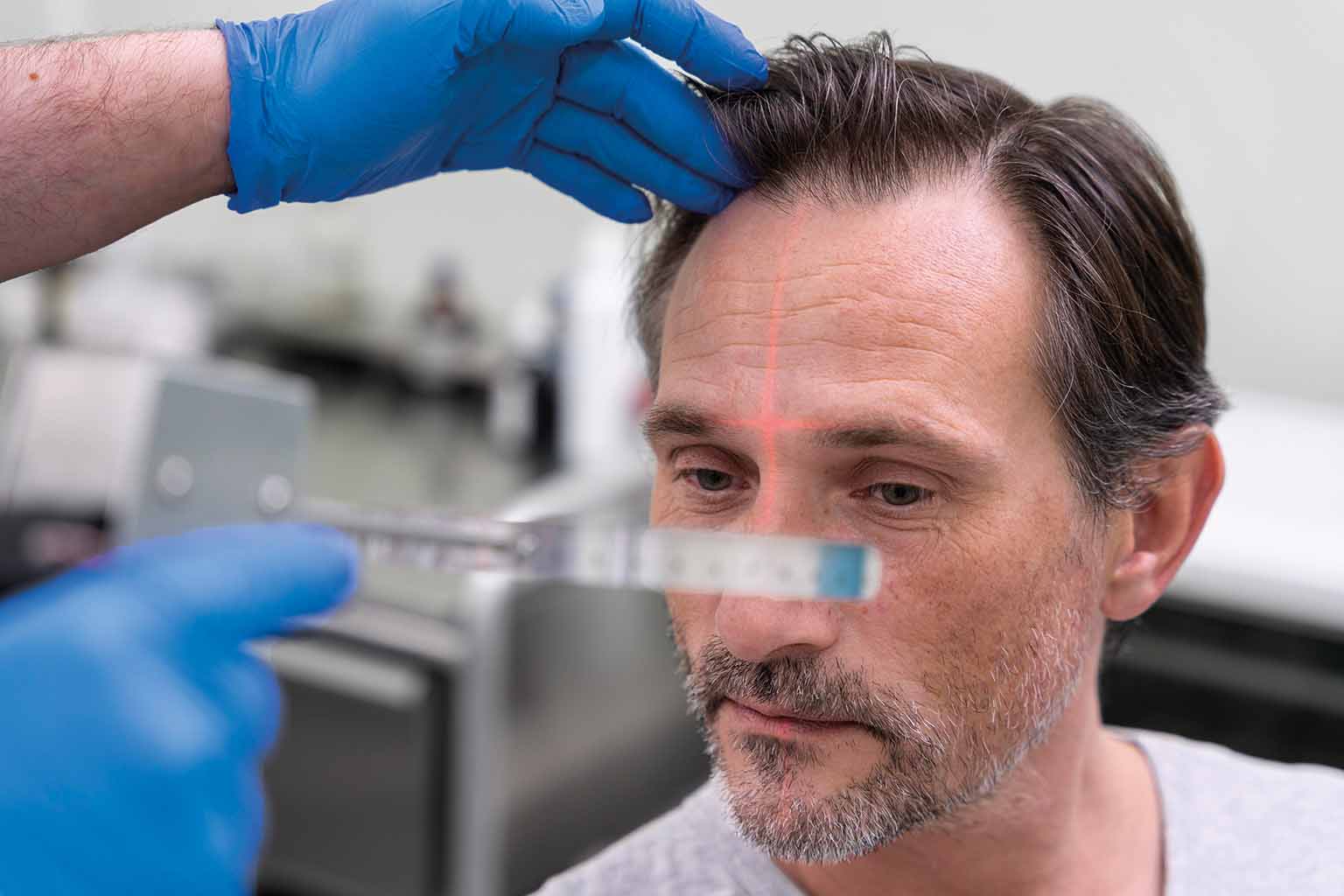
A successful hair transplant does not end when the procedure is complete. In fact, aftercare plays a critical role in how well your transplanted hair heals, grows, and looks in the long term. Proper aftercare can significantly improve graft survival, speed up recovery, and help you achieve natural, dense results.
In this detailed guide, we cover essential hair transplant aftercare tips, explain what to do and what to avoid, and outline how to support faster healing and healthier hair growth.

Why Hair Transplant Aftercare Is So Important
Hair transplant surgery creates thousands of tiny micro-wounds in the scalp. During the healing phase, transplanted follicles are fragile and need protection. Good aftercare helps:
- Increase graft survival rate
- Reduce swelling and discomfort
- Prevent infection
- Support healthy hair growth
- Achieve better final results
Even the best surgical work can be compromised by poor aftercare.
Talk to a Turkeyana consultant
Free evaluation and an all-inclusive quote within 24 hours.
The First 24 Hours After Hair Transplant
The first day is crucial for graft protection.
What to Do
- Rest as much as possible
- Keep your head elevated
- Use prescribed medications
- Follow spraying instructions
What to Avoid
- Touching or scratching the scalp
- Sleeping flat
- Alcohol and smoking
- Bending forward
Your clinic’s instructions should be followed exactly during this phase.
Sleeping Position After Hair Transplant
For the first 7–10 days:
- Sleep on your back
- Use a neck pillow
- Keep your head elevated
This reduces swelling and prevents accidental contact with grafts.
Washing Your Hair After a Hair Transplant
When Can You Wash Your Hair?
Hair washing usually begins 2–3 days after surgery, depending on your clinic’s protocol.
Proper Washing Technique
- Use lukewarm water
- Apply shampoo gently without rubbing
- Let foam sit briefly, then rinse carefully
- Pat dry with a soft towel
Never scrub or use strong water pressure on the transplanted area.
Scab Care and Healing
Scabs form naturally and protect healing follicles.
Important Tips
- Do not pick scabs
- Follow gentle washing routine
- Allow scabs to fall off naturally
Scabs usually shed within 7–10 days.
Managing Swelling and Redness
Swelling and redness are common and temporary.
How to Reduce Them
- Keep your head elevated
- Apply cold compresses (away from grafts)
- Stay hydrated
- Take prescribed anti-inflammatory medication
Most swelling resolves within a few days.
Medications and Supplements
Your doctor may prescribe:
- Antibiotics (to prevent infection)
- Pain relievers
- Anti-swelling medication
Some clinics also recommend supplements such as biotin or zinc to support hair growth.
Never take additional medications without approval from your doctor.
Smoking and Alcohol After Hair Transplant
Smoking and alcohol negatively affect blood circulation and healing.
Recommendations
- Avoid smoking for at least 2 weeks
- Avoid alcohol for at least 7–10 days
For best results, longer avoidance is strongly recommended.
Physical Activity and Exercise
Timeline
- Light walking: After a few days
- Gym workouts: After 3–4 weeks
- Heavy lifting: After 1 month
Sweating and increased blood pressure can harm grafts during early healing.
Sun Exposure and Heat
The scalp is highly sensitive after surgery.
Protect Your Scalp
- Avoid direct sunlight for at least 1 month
- Wear a loose-fitting hat if allowed
- Avoid saunas, steam rooms, and hot showers
Sun exposure can prolong redness and affect healing.
Itching After Hair Transplant
Itching is a normal part of healing.
How to Manage It
- Use prescribed sprays or lotions
- Keep scalp moisturized as advised
- Avoid scratching
Scratching can dislodge grafts and cause infection.
Hair Transplant Shock Loss: Don’t Panic
Temporary shedding (shock loss) usually occurs within 2–6 weeks.
Key Facts
- Completely normal
- Affects transplanted and native hair
- Hair regrows within months
Understanding this phase prevents unnecessary anxiety.
Nutrition for Faster Healing and Hair Growth
A healthy diet supports recovery and hair growth.
Focus On
- Protein-rich foods
- Fruits and vegetables
- Omega-3 fatty acids
- Iron and zinc
Hydration is equally important.
When Will New Hair Start Growing?
- Months 1–2: Little visible change
- Months 3–4: New hair begins to grow
- Months 6–9: Noticeable density
- 12 months: Final results
Patience is essential hair growth cannot be rushed.
Hair Styling and Grooming After Transplant
Haircuts
- Donor area: After 2–3 weeks
- Recipient area: After 1 month
Styling Products
- Avoid gels and sprays for at least 1 month
- Use mild, chemical-free products afterward
Follow-Up Appointments and Long-Term Care
Regular follow-ups help ensure:
- Healthy healing
- Proper hair growth
- Early detection of issues
Some patients benefit from additional treatments like PRP to enhance results.
Common Aftercare Mistakes to Avoid
- Touching grafts too early
- Skipping washing instructions
- Returning to exercise too soon
- Smoking during recovery
- Ignoring clinic advice
Avoiding these mistakes significantly improves outcomes.
Emotional Patience During the Recovery Process
It’s normal to feel impatient or worried during early months. Trusting the process and following aftercare guidelines leads to the best results.
Why Professional Aftercare Support Matters
Clinics that provide structured aftercare programs achieve:
- Higher graft survival
- Faster healing
- Better patient satisfaction
Ongoing guidance is a major factor in success.
Aftercare Is the Key to Great Results
Hair transplant aftercare is not optional it is essential. Proper care protects your investment and ensures that transplanted hair grows strong, healthy, and natural-looking.
Clinics like Turkeyana place strong emphasis on comprehensive aftercare support, guiding patients through every stage of recovery. With personalized instructions, experienced medical teams, and continuous follow-up, Turkeyana helps patients achieve faster healing and long-lasting, high-quality hair transplant results.
Your feedback helps us improve.
Thank you for your feedback.