Table of Contents
- Why Hair Transplant Before and After Results Matter
- Understanding the “Before” Stage
- What Happens Immediately After a Hair Transplant?
- The Hair Transplant Recovery Timeline
- How Much Density Is Realistic?
- Common Myths About Hair Transplant Results
- Evaluating Hair Transplant Before and After Photos
- Factors That Influence Final Results
- The Emotional Impact of Before and After Results
- When Results May Fall Short of Expectations
- Long-Term Maintenance After a Hair Transplant
- Why Turkey Is Known for Successful Before and After Results
- Setting the Right Expectations

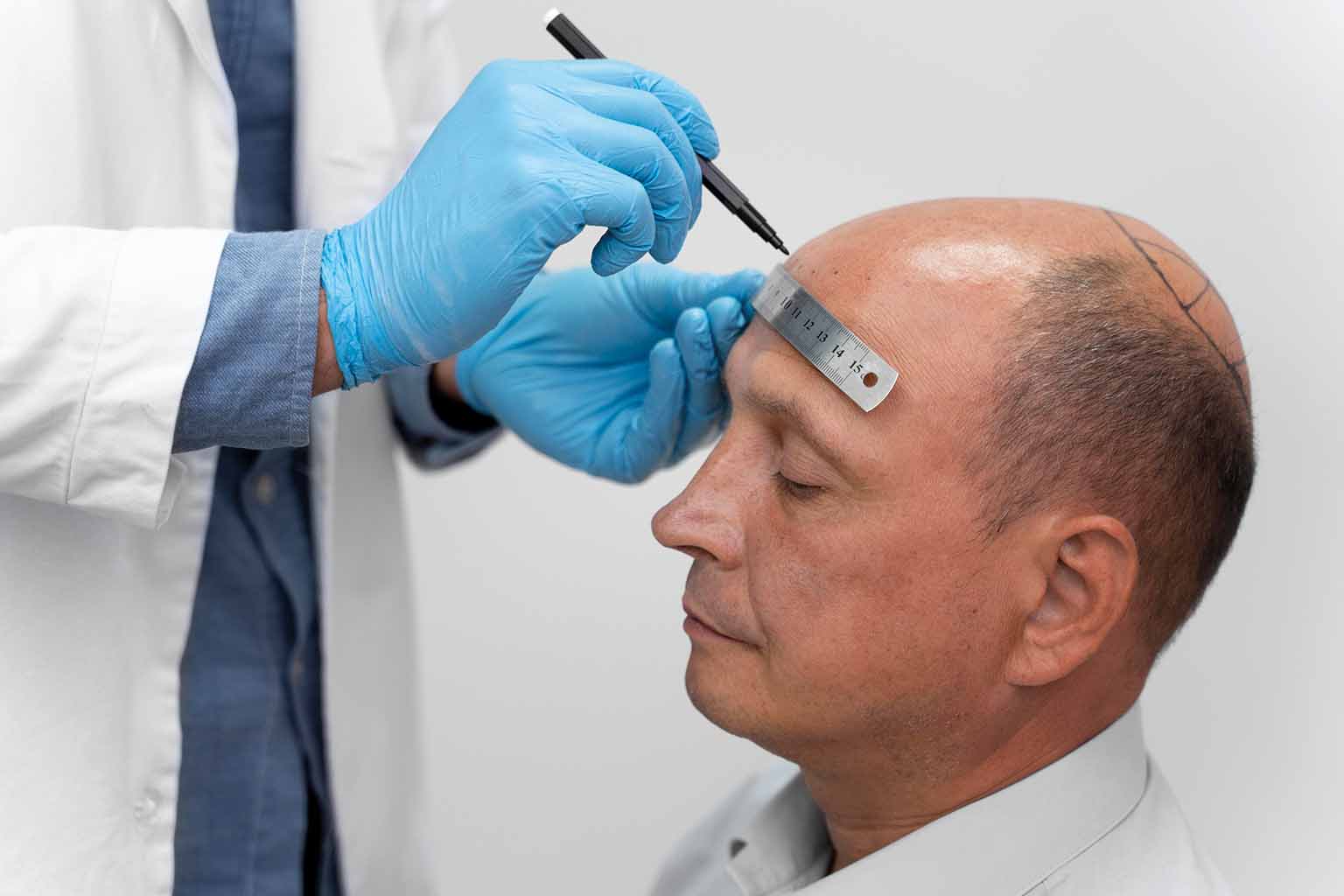
Hair transplant before and after photos are often the first thing people look at when researching hair restoration. These images can be powerful, showing dramatic transformations and renewed confidence. However, while before and after results are inspiring, it is essential to understand what they truly represent and what realistic expectations look like.
In this comprehensive guide, we will explain what happens before and after a hair transplant, what kind of results you can realistically expect, and how to evaluate outcomes correctly.


Why Hair Transplant Before and After Results Matter
Before and after results help patients:
- Visualize potential outcomes
- Understand hair density improvements
- Evaluate a clinic’s consistency and quality
- Set realistic expectations
However, results can vary significantly from person to person. Factors such as hair type, donor area quality, technique used, and post-procedure care all play critical roles.
Talk to a Turkeyana consultant
Free evaluation and an all-inclusive quote within 24 hours.
Understanding the “Before” Stage
The “before” phase is more than just visible hair loss. It involves a full assessment of your scalp and hair condition.
Hair Loss Pattern and Severity
Hair transplant candidates may experience:
- Receding hairlines
- Thinning at the crown
- Diffuse hair loss
- Complete bald patches
The extent of hair loss determines the number of grafts needed and influences final density.
Donor Area Evaluation
The donor area—usually the back and sides of the scalp—is crucial. Strong donor hair means:
- Better graft survival
- Higher density potential
- More natural-looking results
Patients with limited donor supply must have realistic expectations regarding coverage.
Hair Characteristics
Hair thickness, color contrast, curliness, and texture affect how dense the final result appears. For example, thicker or wavy hair often creates the appearance of greater volume.
What Happens Immediately After a Hair Transplant?
Right after the procedure, patients often experience:
- Redness and mild swelling
- Small scabs around implanted grafts
- A visible but incomplete hairline
At this stage, results do not reflect the final outcome. The scalp is still healing, and transplanted hairs have not yet begun their growth cycle.
The Hair Transplant Recovery Timeline
Understanding the timeline helps set realistic expectations when comparing before and after results.
First 7–10 Days
- Scabs form and fall off
- Redness gradually fades
- Donor area heals
At this stage, the scalp starts to look normal again.
Weeks 2–6: Shock Loss Phase
Many patients experience “shock loss,” where transplanted hairs fall out. This is completely normal and temporary.
This phase often causes unnecessary worry, but it is a natural part of the process.
Months 3–4: Early Growth
- New hair begins to emerge
- Hairs are thin and uneven
- Growth is slow but steady
This is when patients start noticing early differences compared to the “before” stage.
Months 6–9: Visible Improvement
- Hair becomes thicker
- Density improves significantly
- Hairline shape becomes clearer
At this stage, before and after comparisons become more meaningful.
12 Months: Final Results
By the one-year mark:
- Hair reaches natural thickness
- Density stabilizes
- Styling becomes easier
This is when final before and after results should be evaluated.
How Much Density Is Realistic?
One of the biggest misconceptions about hair transplant results is density. A hair transplant does not recreate childhood hair density but instead provides natural-looking coverage.
Most successful procedures aim for:
- Natural hairline density
- Balanced coverage across thinning areas
- Strategic graft placement
When done correctly, the result looks full and natural rather than overly dense or artificial.
Common Myths About Hair Transplant Results
Myth 1: Results Are Instant
Hair growth takes time. Immediate fullness seen in some photos is often due to temporary hair presence before shedding.
Myth 2: One Procedure Solves Everything
Some patients may require a second session depending on hair loss progression.
Myth 3: Results Look Fake
Modern techniques like FUE and DHI focus on natural angles and direction, making results virtually undetectable when performed by skilled specialists.
Evaluating Hair Transplant Before and After Photos
When reviewing clinic galleries, look for:
- Consistent lighting and angles
- Multiple patient examples
- Close-up hairline photos
- Long-term results (12+ months)
Avoid clinics that use overly edited or unclear images.
Factors That Influence Final Results
Several elements determine how dramatic your before and after transformation will be:
- Surgeon experience
- Technique used (FUE or DHI)
- Graft survival rate
- Aftercare compliance
- Lifestyle factors
Following post-operative instructions is just as important as the procedure itself.
The Emotional Impact of Before and After Results
Beyond physical appearance, hair transplant results often lead to:
- Increased self-confidence
- Improved social interactions
- Greater comfort with personal image
- Reduced anxiety related to hair loss
These emotional benefits are frequently cited as the most valuable outcome of the procedure.
When Results May Fall Short of Expectations
In rare cases, results may not meet expectations due to:
- Poor graft survival
- Unrealistic density goals
- Advanced hair loss without enough donor supply
- Inexperienced surgical teams
Choosing the right clinic significantly reduces these risks.
Long-Term Maintenance After a Hair Transplant
While transplanted hair is permanent, existing native hair may continue to thin. Long-term strategies may include:
- Hair loss medications
- PRP treatments
- Follow-up consultations
A comprehensive plan ensures results remain balanced and natural over time.
Why Turkey Is Known for Successful Before and After Results
Turkey is globally recognized for producing high-quality hair transplant transformations due to:
- High procedural experience
- Advanced technology
- Skilled medical teams
- Cost-effective treatment
Patients from around the world travel to Turkey specifically for reliable before and after outcomes.
Setting the Right Expectations
Hair transplant before and after results can be life-changing, but success depends on understanding the process and maintaining realistic expectations. Hair restoration is a journey, not an overnight transformation.
Clinics like Turkeyana focus on personalized treatment planning, natural hairline design, and long-term success. With experienced specialists and advanced techniques, Turkeyana consistently delivers hair transplant results that align expectations with reality—helping patients achieve confident, natural-looking transformations they can trust.
Your feedback helps us improve.
Thank you for your feedback.