Table of Contents
- Why Recovery Matters After a Hair Transplant
- Day 0: The Day of the Procedure
- Days 1–3: Early Healing Phase
- Days 4–7: Scab Formation
- Days 7–10: Scab Shedding Phase
- Weeks 2–4: Shock Loss Phase
- Month 1: Stabilization Period
- Months 2–3: Dormant Phase
- Months 3–4: Early Growth Begins
- Months 5–6: Noticeable Improvement
- Months 7–9: Density Development
- Months 10–12: Final Results
- What Is Normal During Recovery?
- Warning Signs to Watch For
- How to Speed Up Hair Transplant Recovery
- When Can You Resume Normal Activities?
- Emotional Ups and Downs During Recovery
- Why Professional Aftercare Makes a Difference
- Trust the Process

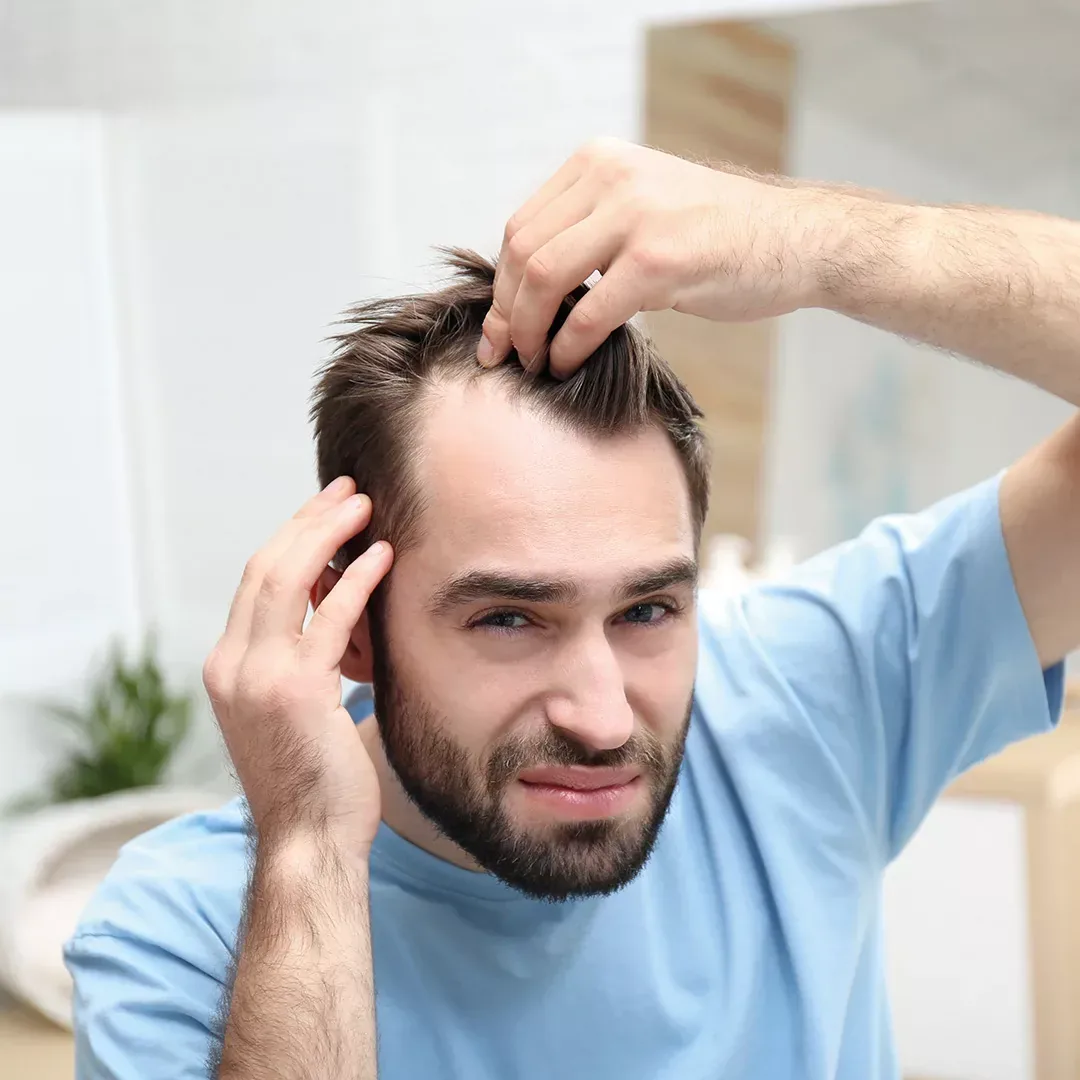
One of the most important aspects of a successful hair transplant is understanding the recovery process. While the procedure itself is only one day, the healing and growth journey lasts several months. Knowing what to expect week by week helps reduce anxiety, ensures proper aftercare, and sets realistic expectations for results.
In this detailed guide, we walk you through the complete hair transplant recovery timeline, from the day of surgery to full results.

Why Recovery Matters After a Hair Transplant
Hair transplant recovery directly affects:
- Graft survival rate
- Final density and appearance
- Risk of complications
- Overall patient satisfaction
Following the correct recovery steps is just as important as choosing the right clinic and technique.
Talk to a Turkeyana consultant
Free evaluation and an all-inclusive quote within 24 hours.
Day 0: The Day of the Procedure
On the day of the hair transplant:
- The procedure is performed under local anesthesia
- The scalp is sensitive but numb
- Mild swelling or tightness may begin
- A bandage may be placed on the donor area
Patients are usually discharged the same day with detailed aftercare instructions.
What to Do
- Rest with your head elevated
- Avoid touching the transplanted area
- Take prescribed medications
What to Avoid
- Alcohol and smoking
- Physical activity
- Sleeping flat
Days 1–3: Early Healing Phase
During the first few days:
- Swelling may peak around the forehead and eyes
- Redness is visible in the recipient area
- Mild discomfort or itching can occur
This phase is completely normal and temporary.
Care Tips
- Sleep with head elevated
- Use prescribed sprays or solutions
- Avoid sun exposure
Days 4–7: Scab Formation
Small scabs begin to form around the implanted grafts.
- Scabs protect healing follicles
- Donor area begins to look normal
- Redness slowly decreases
Important Note
Do not scratch or manually remove scabs, as this may damage grafts.
Days 7–10: Scab Shedding Phase
Scabs start falling off naturally during gentle washing.
- Transplanted area looks cleaner
- Most visible signs of surgery fade
- Donor area is usually fully healed
At this stage, many patients feel comfortable returning to work.
Weeks 2–4: Shock Loss Phase
This is one of the most misunderstood stages of recovery.
- Transplanted hairs begin to shed
- The scalp may look similar to pre-surgery
- Patients often worry unnecessarily
Key Reassurance
This shedding is normal and temporary. The follicles remain healthy under the skin.
Month 1: Stabilization Period
By the end of the first month:
- Shock loss is usually complete
- The scalp feels normal
- Redness is minimal or gone
Although visible improvement is limited, the foundation for new growth is being established.
Months 2–3: Dormant Phase
This is a quiet but crucial stage:
- Hair follicles are preparing to grow
- Little visible change occurs
- Some patients experience mild itching
Patience is essential during this phase.
Months 3–4: Early Growth Begins
New hair starts emerging:
- Fine, thin hairs appear
- Growth is uneven and slow
- Texture may feel different at first
This marks the true beginning of visible progress.
Months 5–6: Noticeable Improvement
At this stage:
- Hair becomes thicker
- Density increases
- Hairline shape becomes clearer
Patients often start feeling confident comparing before and after photos.
Months 7–9: Density Development
Hair continues to mature:
- Thickness improves significantly
- Styling becomes easier
- Overall appearance looks fuller
This is when results become obvious to others.
Months 10–12: Final Results
By the one-year mark:
- Hair reaches natural texture
- Density stabilizes
- Final results are visible
Most patients achieve 90–100% of expected growth by this time.
What Is Normal During Recovery?
Normal recovery signs include:
- Mild redness
- Temporary shedding
- Uneven early growth
- Itching
These symptoms gradually disappear with proper care.
Warning Signs to Watch For
Although rare, contact your clinic if you experience:
- Severe pain
- Excessive swelling
- Persistent redness
- Signs of infection
Prompt medical attention ensures safe recovery.
How to Speed Up Hair Transplant Recovery
While growth cannot be rushed, recovery can be optimized by:
- Following washing instructions
- Eating a protein-rich diet
- Staying hydrated
- Avoiding smoking and alcohol
- Attending follow-up appointments
Some clinics also recommend PRP therapy to support healing.
When Can You Resume Normal Activities?
- Work: 5–7 days
- Light exercise: 10–14 days
- Intense workouts: 3–4 weeks
- Swimming: After 1 month
- Haircuts: After 1 month
Always follow your doctor’s specific recommendations.
Emotional Ups and Downs During Recovery
It’s common to experience emotional fluctuations during recovery due to:
- Temporary shedding
- Slow early growth
- High expectations
Understanding the timeline helps manage stress and maintain confidence.
Why Professional Aftercare Makes a Difference
Clinics that provide structured aftercare programs achieve:
- Higher graft survival
- Faster healing
- Better long-term results
Continuous guidance is a key factor in successful recovery.
Trust the Process
Hair transplant recovery is a gradual journey that requires patience and proper care. Each phase plays an essential role in achieving natural, long-lasting results.
Clinics like Turkeyana guide patients through every stage of the recovery process with detailed aftercare protocols and professional follow-up. With experienced medical teams and patient-centered care, Turkeyana helps ensure a smooth healing journey and optimal hair transplant results.
Your feedback helps us improve.
Thank you for your feedback.