Table of Contents



If you are considering a hair transplant as a solution for hair loss, one of the biggest questions on your mind is likely: How long will my results last? This guide will provide a detailed breakdown of what to expect from a hair transplant, how long the results typically endure, and what steps you can take to maintain your newly restored hair for as long as possible.
Understanding Hair Transplant Longevity
A hair transplant is designed not only to restore lost hair but also to encourage long-term growth. On average, transplanted hair can last around 10 years, but with proper aftercare and maintenance, there’s no reason it can’t last a lifetime.
Talk to a Turkeyana consultant
Free evaluation and an all-inclusive quote within 24 hours.
How Long Will a Hair Transplant Last?
One of the most frequently asked questions from potential patients revolves around the appearance and durability of a hair transplant. The truth is, there is no universal answer—every individual’s experience is unique.
A quick online search might tell you that hair transplant results typically last “around 10 years” or even “a lifetime”. However, the key takeaway is that individual factors like genetics, lifestyle choices, and post-surgery care play a crucial role in determining how long your results will last.
Since no two patients have identical hair loss patterns or responses to treatment, there is always some variation. Understanding both the benefits and potential limitations of a hair transplant will help you manage your expectations and plan for long-term hair care.
Pros and Cons of a Hair Transplant
Advantages:
- Restores a natural-looking hairline and fills in thinning or bald areas.
- A long-term solution compared to temporary treatments like topical solutions or PRP therapy.
- Boosts self-confidence and enhances personal image.
Potential Drawbacks:
- Requires commitment to aftercare. While hair transplants are permanent, natural hair loss can still continue. To maintain results, patients may need to follow a post-surgery treatment plan.
- Financial investment. Apart from the cost of the surgery, some patients might need additional medications like finasteride or minoxidil to prevent further hair thinning.
If you’re spending your hard-earned money on a transplant, it’s wise to consider the long-term costs, including medications and maintenance treatments, to ensure lasting results.
Does the Hair Transplant Method Affect Longevity?
No, the method used in your hair transplant does not determine how long the results will last. However, it does impact recovery time and potential scarring.
Comparison of Hair Transplant Techniques:
- FUE (Follicular Unit Extraction) & DHI (Direct Hair Implantation) Hair follicles are extracted individually from the donor area and implanted into the balding regions. Healing occurs within two weeks, and full results typically appear within 12 to 18 months. No linear scarring, making it a preferred option for those who wear short hairstyles.
- FUT (Follicular Unit Transplantation) A strip of hair-bearing skin is removed from the back of the head, and follicles are extracted for transplantation. Leaves a permanent linear scar in the donor area. The growth results are similar to FUE and DHI.
Regardless of the method, the long-term survival of transplanted hair is not affected—the primary difference is the healing process and post-surgery appearance of the donor area.
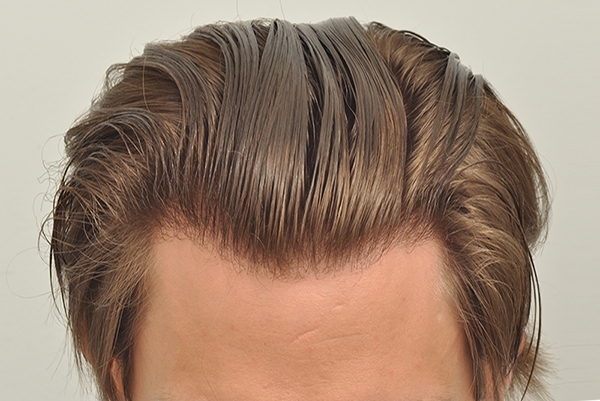
- hair growth treatments (e.g., finasteride, PRP, low-level laser therapy).
2. Age of the Patient
- Younger patients may continue to experience hair loss even after a transplant due to genetic factors.
- To minimize future hair thinning, doctors often recommend DHT-blocking medications like finasteride or dutasteride.
- If not managed properly, some younger patients may require a second transplant later in life.
3. Hairstyling Habits
The way you style your hair after a transplant can impact its longevity.
- Avoid tight hairstyles like ponytails, braids, or dreadlocks, which can lead to traction alopecia (hair loss due to excessive tension).
- Allow hair to grow naturally without excessive pulling or styling stress.
How to Prevent Future Hair Loss After a Transplant
Hair transplants restore existing lost hair, but they do not stop ongoing hair loss. To maintain results for as long as possible, patients should consider complementary treatments.
1. DHT-Blocking Medications (Finasteride & Dutasteride)
- These prescription medications help prevent future hair loss by blocking the hormone dihydrotestosterone (DHT), which causes hair follicles to shrink and fall out.
- They are cost-effective, easy to use, and highly effective in maintaining results after surgery.
2. Minoxidil (Topical Hair Growth Treatment)
- Minoxidil is an over-the-counter topical solution that stimulates blood flow to the scalp, promoting healthier hair growth.
- It can be used alone or combined with finasteride for enhanced results.
- Ideal for female patients or those who cannot take DHT-blocking medications.
3. PRP Therapy (Platelet-Rich Plasma)
- This treatment involves injecting plasma from the patient’s own blood into the scalp to stimulate hair growth.
- While effective, PRP can be costly, with prices ranging from $300 to $1000 per session.
- Best used as a supplementary treatment rather than a replacement for medications.
4. Proper Hair Care Routine
- Use high-quality, sulfate-free shampoos to prevent irritation.
- Avoid harsh chemical treatments (bleaching, excessive heat styling).
- Maintain a nutrient-rich diet to support healthy hair growth.
Final Thoughts; Will My Hair Transplant Last Forever?
One of the most common questions patients ask is whether their transplant will last a lifetime. The answer depends on a combination of factors, including genetics, age, surgeon expertise, and post-surgery care.
The good news? A well-performed hair transplant can last for decades if the patient follows proper aftercare. Taking steps such as using hair loss medications, avoiding damaging hairstyles, and maintaining a healthy scalp routine will significantly improve long-term results.
For the best outcome, choose an experienced surgeon, follow a solid aftercare routine, and stay proactive in maintaining your hair health. By doing so, you can enjoy the benefits of your transplant for many years to come.
Your feedback helps us improve.
Thank you for your feedback.