Table of Contents

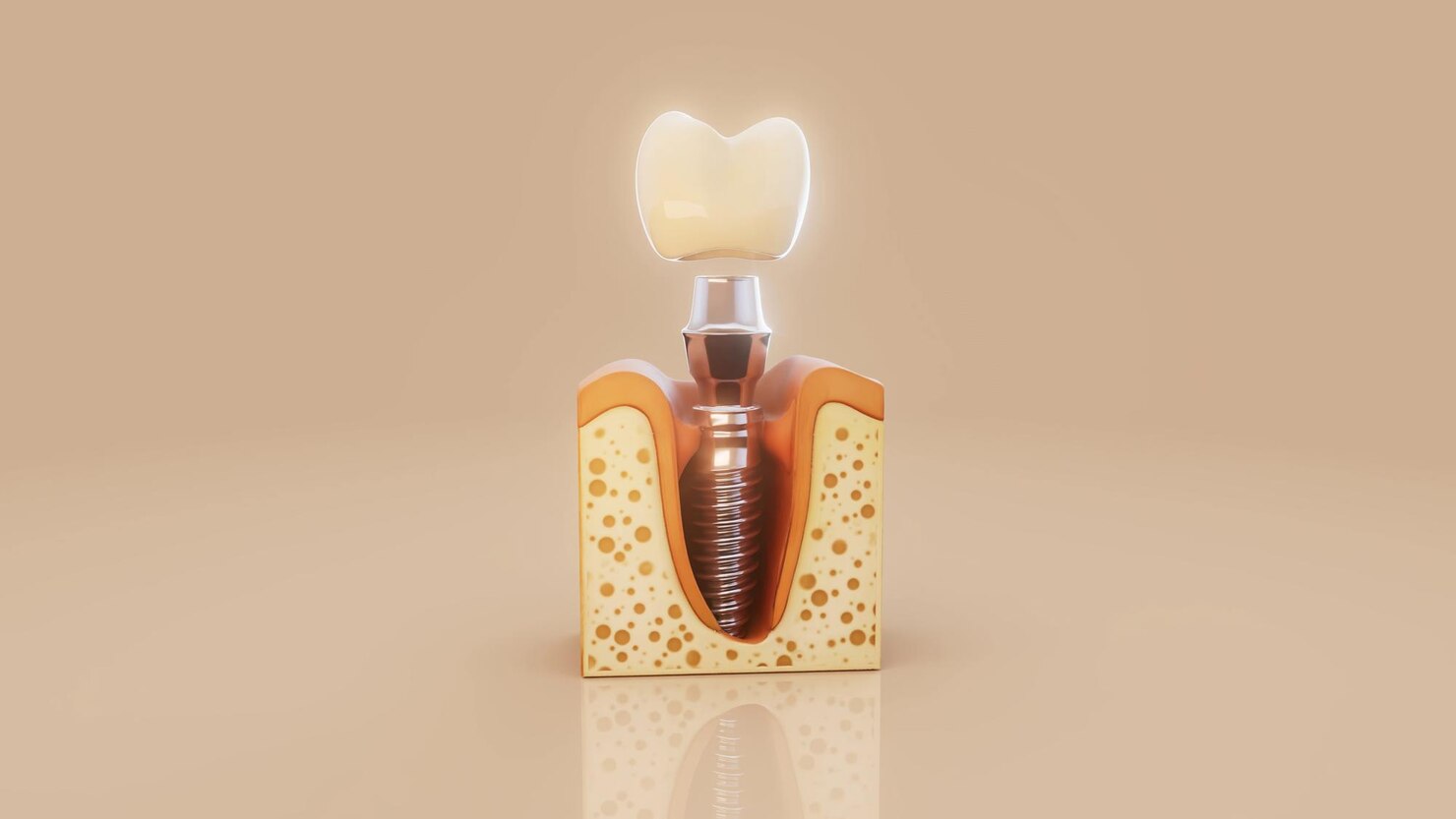
The surgical placement of a titanium dental implant is only the initial phase of a complex biomechanical journey. Once the artificial root is anchored into the jawbone, a critical clinical decision must immediately follow: determining the exact timeline for attaching the prosthetic tooth or bridge. This timeline is clinically referred to as the “loading” protocol. For decades, the global standard was a strict, multi-month waiting period, dictating that the implant must remain completely undisturbed beneath the gum line to ensure biological success. However, rapid advancements in titanium surface topography, surgical techniques, and digital diagnostics have ushered in the era of immediate loading, allowing patients to receive functional teeth on the very same day as surgery. Deciphering which protocol immediate or delayed loading is medically appropriate requires a profound understanding of bone biology, masticatory physics, and individualized patient anatomy.
The Biology of Osseointegration: Primary vs. Secondary Stability
To navigate the timeline of implant restorations, one must first comprehend the physiological process of osseointegration, the direct structural and functional connection between living human bone and the surface of a load-bearing artificial implant. The success of an implant is governed by two distinct phases of stability: primary and secondary.
Primary stability is purely mechanical. It is the physical friction achieved at the exact moment the surgeon torques the threaded titanium post into the precisely drilled osteotomy (the surgical hole in the bone). It functions much like a screw driven tightly into dense wood. However, shortly after surgery, bone remodeling begins. The traumatized bone immediately adjacent to the implant is broken down by osteoclast cells before new bone can be formed. During this remodeling phase (typically between weeks two and four), primary stability naturally drops.
Secondary stability is purely biological. It is the gradual process of osteoblasts (bone-forming cells) depositing new, living bone directly onto the microscopic topography of the titanium implant. As primary mechanical stability dips, secondary biological stability must rise to take its place. If an implant is subjected to heavy chewing forces during this vulnerable transitional window specifically, if it is pushed beyond a microscopic movement threshold of approximately 100 to 150 microns the bone will fail to fuse. Instead, the body will encapsulate the implant in fibrous scar tissue, leading to definitive clinical failure.
Talk to a Turkeyana consultant
Free evaluation and an all-inclusive quote within 24 hours.
The Traditional Paradigm: The Case for Delayed Loading
The original protocol for dental implants, developed by Per-Ingvar Brånemark in the 1960s, mandated a strict delayed loading approach. Under this traditional paradigm, the implant is placed and a cover screw is attached. The gum tissue is then sutured completely closed over the implant, submerging it entirely. The patient then waits for a period of three to six months or even longer if extensive bone grafting or sinus lifts were performed simultaneously.
[Image comparing delayed submerged implant healing vs immediate provisionalization with a temporary crown]
Delayed loading remains the absolute gold standard and the most medically prudent choice for highly compromised clinical scenarios. When a patient presents with extremely soft, porous bone (Type IV bone, frequently found in the posterior maxilla), the surgeon cannot achieve high primary mechanical stability. Applying immediate force to an implant in soft bone is a guaranteed recipe for failure. Furthermore, delayed loading is heavily favored for single-tooth replacements in the highly demanding anterior aesthetic zone, especially if the surrounding soft tissue and bone architecture require months to mature and perfectly contour before the final porcelain crown is designed.
The Modern Paradigm: The Mechanics of Immediate Loading
Immediate loading flips the traditional timeline on its head. In this protocol, a provisional (temporary) crown or a full-arch acrylic bridge is rigidly attached to the implants within 48 hours of surgery. The patient enters the surgical suite edentulous (toothless) and leaves with a fixed, highly aesthetic smile.
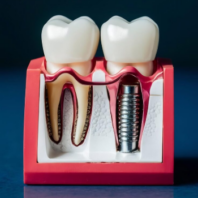
The biomechanical success of immediate loading relies heavily on the concept of “cross-arch stabilization” and the strategic management of occlusal forces. This protocol is most famously utilized in full-arch rehabilitations like the All-on-4 or All-on-6 procedures. By placing four to six implants and splinting them tightly together with a rigid prosthetic framework, the surgeon effectively distributes the forces of mastication across the entire jaw. This splinting effect limits the micromovement of any single implant to well below the dangerous 150-micron threshold, allowing the bone to heal seamlessly while the implants are in active use. For single implants, immediate loading is generally restricted to non-biting scenarios placing a temporary crown that is intentionally shaped to stay entirely out of contact with the opposing teeth during chewing, solely to preserve the aesthetic architecture of the gums while the bone integrates.
Clinical Diagnostics: Quantifying Stability
The decision between immediate and delayed loading is never based on patient impatience or clinical guesswork; it is an objective, data-driven medical calculation. During surgery, the maxillofacial surgeon meticulously measures the insertion torque the rotational force required to fully seat the implant. For immediate loading to even be considered, the implant must achieve a minimum insertion torque of 35 to 45 Newton centimeters (Ncm), proving that the bone is dense enough to provide iron-clad primary stability.
Advanced clinical centers take this quantification a step further by utilizing Resonance Frequency Analysis (RFA). This technology uses electromagnetic waves to objectively measure the stiffness of the bone-implant interface, generating an Implant Stability Quotient (ISQ) on a scale from 1 to 100. An ISQ reading above 70 provides the surgeon with the empirical scientific green light to safely attach a provisional restoration. If the ISQ falls below this threshold, the surgeon will pivot to a delayed healing protocol, prioritizing the permanent biological safety of the implant over the convenience of same-day teeth.
Executing these highly sophisticated loading protocols requires an institution that operates at the forefront of digital implantology and evidence-based medicine. The clinical architecture must support both the intensive diagnostics required for immediate provisionalization and the patient-centric patience required for complex, delayed biological healing. Turkeyana embodies this elite standard of surgical care on the international stage. By utilizing advanced 3D volumetric tomography to assess bone density before surgery and employing state-of-the-art Resonance Frequency Analysis intraoperatively, the specialized maxillofacial board at Turkeyana mathematically verifies the stability of every single implant. This uncompromising diagnostic rigor ensures that international patients receive a customized loading timeline whether that involves walking out with a flawlessly engineered, immediately loaded provisional smile, or following a meticulously monitored delayed protocol to secure a massive bone graft. Trusting a restorative journey to Turkeyana guarantees that the timeline of your treatment is dictated solely by the uncompromising laws of human biology, resulting in a permanent, world-class rehabilitation that endures for a lifetime.
Your feedback helps us improve.
Thank you for your feedback.