Table of Contents
- What Is a Hair Transplant Graft?
- Why the Number of Grafts Matters
- Key Factors That Determine How Many Grafts You Need
- Hair Transplant Graft Calculator: General Estimates
- FUE vs. DHI: Does Technique Affect Graft Numbers?
- Can All Grafts Be Implanted in One Session?
- What Happens If You Use Too Many Grafts?
- What If You Use Too Few Grafts?
- Long-Term Planning: Thinking Beyond the First Transplant
- Grafts and Hair Transplant Cost
- Why Graft Count Alone Doesn’t Guarantee Success
- How to Get an Accurate Graft Estimate
- Common Graft Count Myths
- How Many Grafts Do You Really Need?


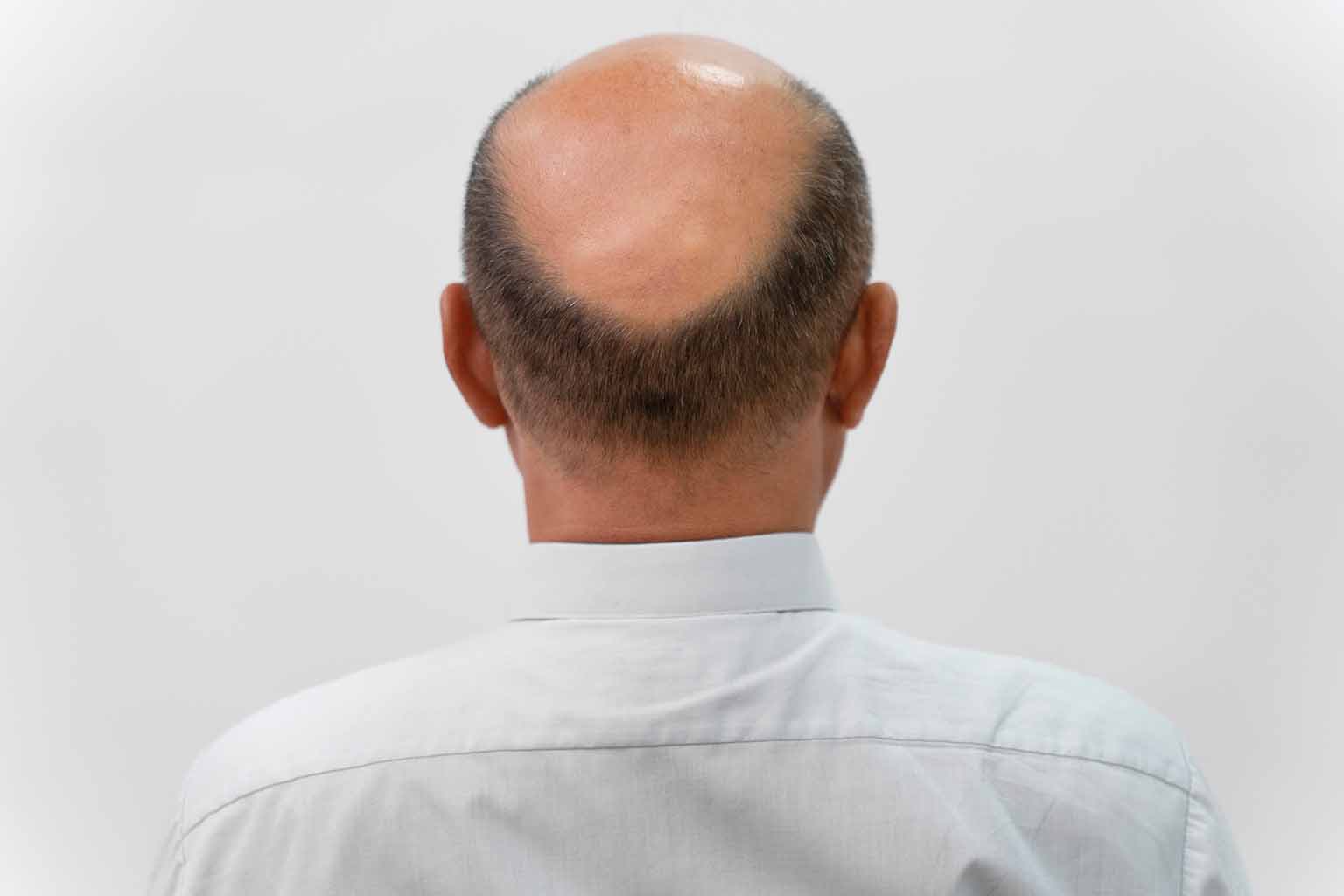
One of the first questions patients ask during a hair transplant consultation is: How many grafts do I need? The number of grafts required plays a crucial role in determining the final appearance, density, cost, and long-term success of a hair transplant procedure.
In this comprehensive guide, we explain what hair grafts are, how graft numbers are calculated, and what factors influence how many grafts you may need for optimal, natural-looking results.



What Is a Hair Transplant Graft?
A hair graft is a small unit of tissue containing 1 to 4 hair follicles. During a hair transplant, these grafts are extracted from the donor area and implanted into areas with thinning or hair loss.
- 1 graft ≠ 1 hair
- Average graft contains 2–2.5 hairs
- Total hair count depends on graft quality
Understanding grafts not just hair count is essential when planning a transplant.
Talk to a Turkeyana consultant
Free evaluation and an all-inclusive quote within 24 hours.
Why the Number of Grafts Matters
The number of grafts directly affects:
- Hair density
- Coverage area
- Natural appearance
- Cost of the procedure
- Donor area preservation
Using too few grafts may lead to unsatisfactory density, while overharvesting can damage the donor area.
Key Factors That Determine How Many Grafts You Need
There is no universal graft number for everyone. Each patient’s needs are unique and depend on several important factors.
1. Degree of Hair Loss
Hair loss severity is often classified using the Norwood Scale (for men) or the Ludwig Scale (for women).
Approximate graft needs by severity:
- Mild hairline recession: 1,000–1,500 grafts
- Moderate hair loss: 2,000–3,000 grafts
- Advanced baldness: 4,000–5,000+ grafts
More advanced hair loss requires more grafts for proper coverage.
2. Area Being Treated
Different scalp areas require different graft densities.
- Hairline: High precision, moderate density
- Mid-scalp: Balanced density
- Crown: Requires more grafts due to circular growth pattern
The crown often needs more grafts to achieve visible fullness.
3. Desired Density and Expectations
Some patients want subtle improvement, while others seek maximum density.
- Natural look: 30–40 grafts per cm²
- Higher density: 40–50 grafts per cm²
Higher density requires more grafts and careful planning.
4. Hair Characteristics
Hair type significantly influences perceived density:
- Thick hair requires fewer grafts
- Curly or wavy hair provides better coverage
- Light hair on light skin looks denser
- Dark hair on light skin may require more grafts
Hair characteristics can reduce or increase graft requirements.
5. Donor Area Capacity
The donor area has a finite number of grafts. A responsible clinic always prioritizes donor preservation to ensure long-term success and future options.
On average:
- Safe donor capacity: 5,000–7,000 grafts (varies by individual)
Overharvesting can lead to thinning or visible donor area damage.
Hair Transplant Graft Calculator: General Estimates
While only a professional consultation can provide an accurate number, general estimates include:
- Hairline restoration: 1,500–2,500 grafts
- Crown restoration: 2,000–3,500 grafts
- Full scalp restoration: 4,000–6,000 grafts
Online graft calculators can provide a rough idea, but they are not a substitute for medical evaluation.
FUE vs. DHI: Does Technique Affect Graft Numbers?
Both FUE and DHI use the same graft units, but technique influences placement efficiency.
- FUE: Ideal for covering large areas
- DHI: Allows denser and more precise implantation
DHI may achieve higher visible density with fewer grafts in specific areas like the hairline.
Can All Grafts Be Implanted in One Session?
In many cases, yes but it depends on:
- Clinic expertise
- Patient’s scalp condition
- Duration of surgery
Large sessions (4,000+ grafts) are commonly performed in experienced clinics. Sometimes, procedures are divided into two sessions for safety and optimal results.
What Happens If You Use Too Many Grafts?
Using too many grafts can cause:
- Donor area thinning
- Reduced future transplant options
- Compromised blood supply in the recipient area
Ethical clinics focus on strategic graft placement, not maximum numbers.
What If You Use Too Few Grafts?
Using too few grafts may result in:
- Low density
- Patchy appearance
- Need for corrective surgery
Proper planning balances density, coverage, and donor preservation.
Long-Term Planning: Thinking Beyond the First Transplant
Hair loss is progressive. A good graft plan considers:
- Future hair loss
- Age-appropriate hairline design
- Donor hair conservation
This approach prevents unnatural results later in life.
Grafts and Hair Transplant Cost
Most clinics price hair transplants based on:
- Number of grafts
- Technique used
- Included services
Understanding graft numbers helps patients better evaluate pricing and value.
Why Graft Count Alone Doesn’t Guarantee Success
High graft numbers do not automatically mean better results. Success depends on:
- Graft survival rate
- Implantation angle and direction
- Hairline design
- Surgeon experience
Quality always matters more than quantity.
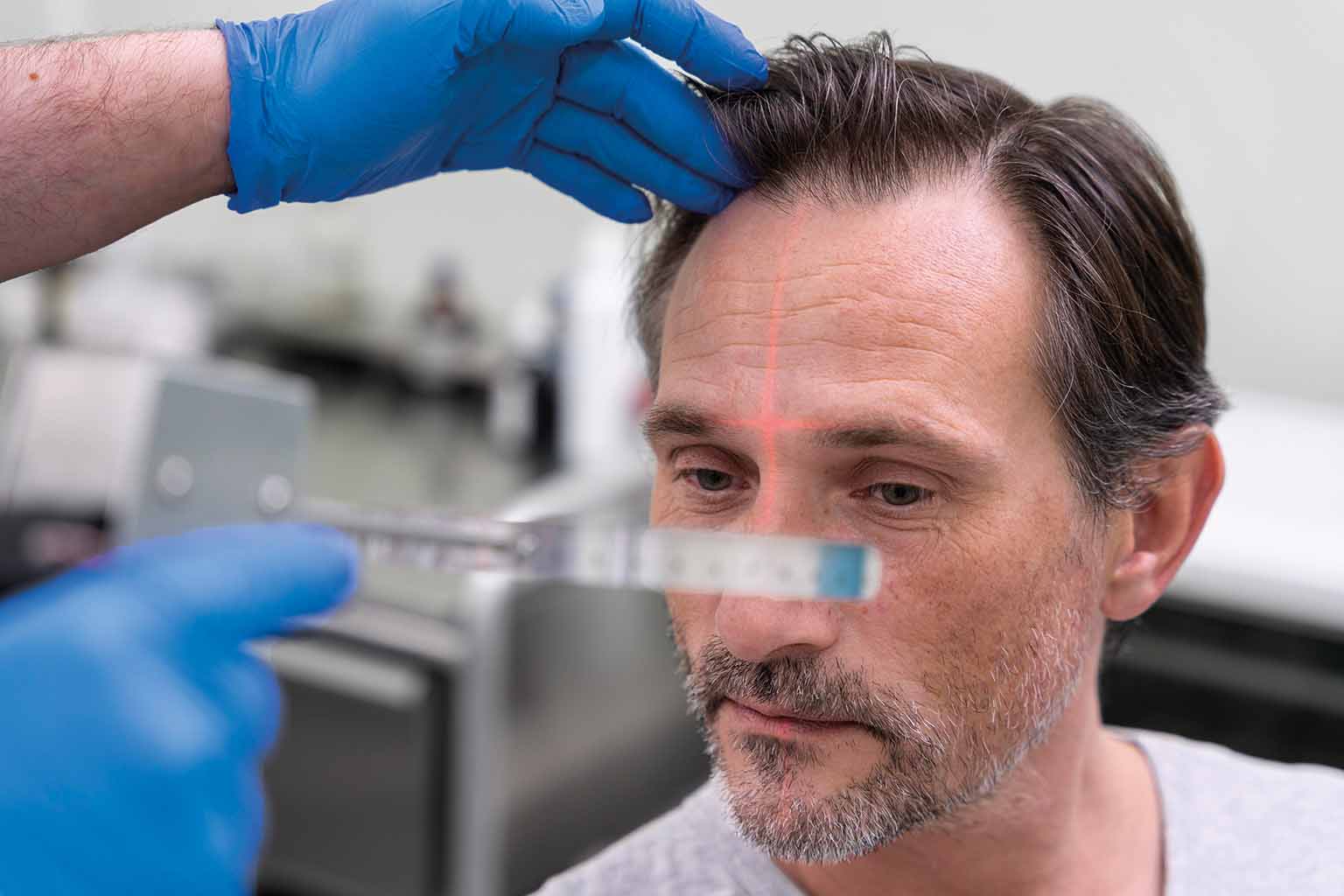
How to Get an Accurate Graft Estimate
To receive an accurate graft estimate, clinics usually request:
- Clear scalp photos
- Hair loss history
- Desired coverage and density
Advanced clinics may use digital analysis tools for precision planning.
Common Graft Count Myths
“More grafts always mean better results”
False. Strategic placement is more important.
“Everyone needs 5,000 grafts”
False. Many patients achieve excellent results with fewer grafts.
“Online calculators are 100% accurate”
False. They provide only rough estimates.
How Many Grafts Do You Really Need?
The right number of grafts is not about maximizing coverage at any cost, it’s about creating natural, balanced, and long-lasting results while protecting the donor area. Personalized planning is the key to success.
Clinics like Turkeyana emphasize detailed graft planning, donor area preservation, and long-term hair restoration strategies. By combining advanced analysis tools with experienced medical teams, Turkeyana ensures that each patient receives the optimal number of grafts for natural-looking, sustainable hair transplant results.
Your feedback helps us improve.
Thank you for your feedback.