Table of Contents

Breaking the Silence on Female Hair Loss
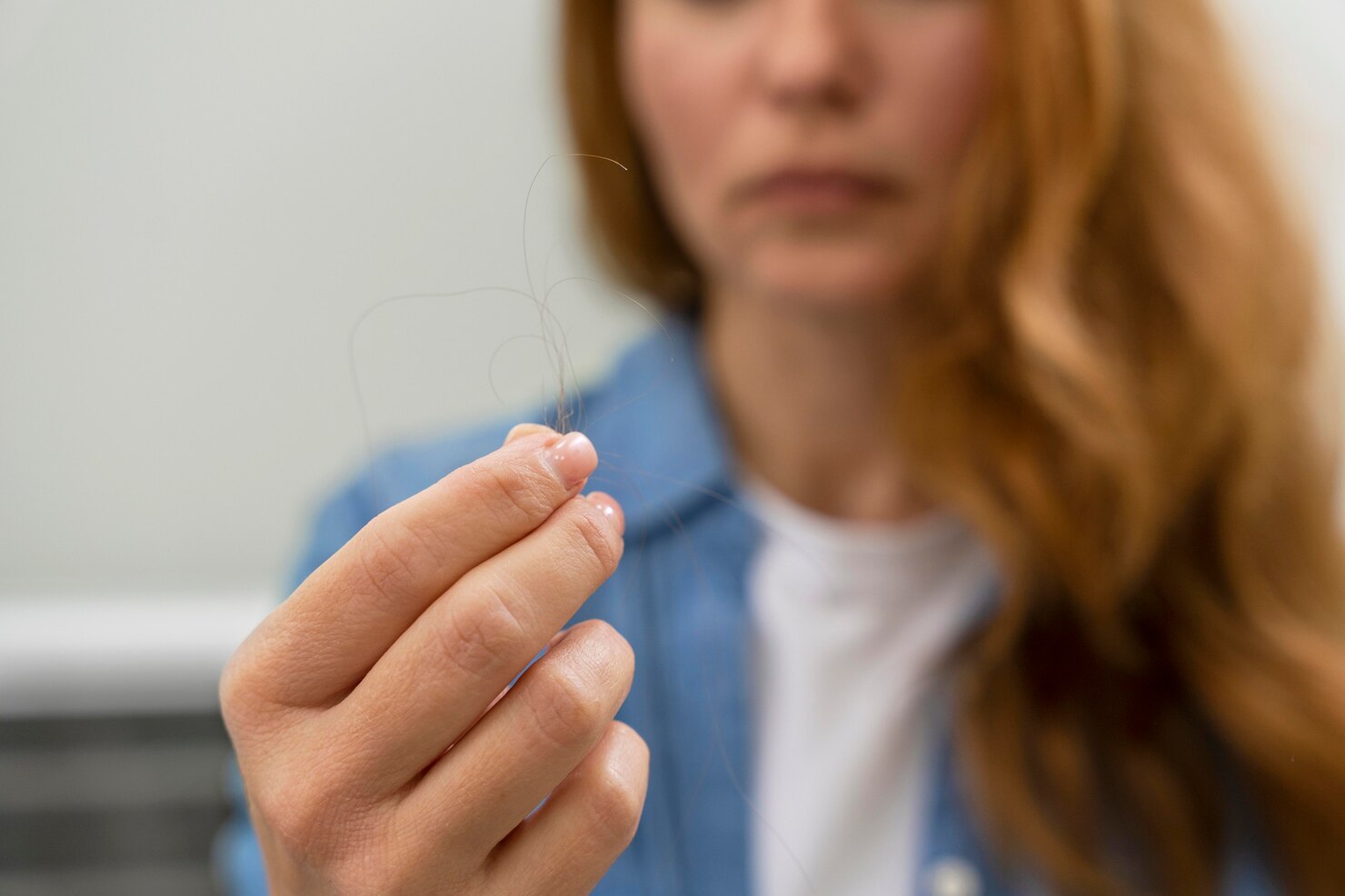
For generations, hair loss has been culturally coded as a “male issue.” We see it in movies, we joke about it with uncles, and we discuss it openly in barbershops. But for women, hair loss has historically been a silent, solitary struggle. In a society that often equates femininity with a lush, voluminous mane, thinning hair can feel like a devastating loss of identity. It is a taboo subject, whispered about in dermatologist offices or hidden under extensions and sprays.
However, 2026 is the year the silence breaks. The narrative is shifting from “hiding” to “healing.” Female hair restoration is no longer a fringe procedure; it is one of the fastest-growing sectors in aesthetic medicine. Women are realizing that biology is not destiny and that the advanced technologies available today offer solutions that are discreet, effective, and empowering. This isn’t just about vanity; it is about closing the gap between how a woman feels inside vibrant, youthful, capable and what she sees in the mirror.
The “Silent Epidemic” of 2026
Why are we seeing a surge in female hair loss now? The reasons are multifaceted. We are living in a high-cortisol era. The cumulative stress of modern professional life, combined with the lingering inflammatory effects of global health events from earlier in the decade, has triggered a rise in Telogen Effluvium (stress-related shedding).
Additionally, lifestyle trends play a role. The widespread use of rapid weight-loss medications (which peaked in popularity around 2024-2025) has a known side effect: dramatic hair thinning due to nutritional shock. Furthermore, years of “Traction Alopecia” damage caused by tight ponytails, braids, and heavy extensions have left many women with receding hairlines or thinning temples. In 2026, women are done with covering these issues up. They are seeking permanent restoration. The “Clean Girl” aesthetic, which prioritizes natural beauty and healthy, real hair over wigs and artifacts, has driven a massive demand for hairline lowering and density filling.
Talk to a Turkeyana consultant
Free evaluation and an all-inclusive quote within 24 hours.
The “Unshaven” Revolution
The number one barrier preventing women from seeking hair transplants has always been the fear of shaving. For a man, shaving his head for surgery is a style choice; for a woman, it can be socially debilitating.
Enter the Unshaven DHI (Direct Hair Implantation) technique. This is the game-changer of 2026.
In this specialized procedure, the surgeon does not shave the recipient area (where the hair is planted). They work between the existing long strands. Even the donor area (at the back of the head) is treated with a “window” technique. A small rectangular patch is shaved, but it is easily hidden by the hair above it falling over the area.
This means a woman can walk into the clinic on Friday, have her temples filled or her parting line densified, and go to brunch on Sunday with her hair down, and no one needs to know. The only sign of surgery is some minor redness, which can be covered with bangs or a headband. This “Stealth Surgery” capability has unlocked the door for professional women who cannot afford downtime or social scrutiny.
The “Feminization” of the Face
One of the most requested procedures in 2026 is not for hair loss, but for hair design. A high forehead or a “masculine” M-shaped hairline can disrupt facial harmony. Many women feel their forehead is too dominant, drawing attention away from their eyes.
While surgical forehead reduction (cutting out skin) was once the norm, it left visible scars. Today, we use Hairline Lowering Transplants. By densely packing thousands of grafts in front of the existing hairline, surgeons can lower the forehead by 1 to 2 centimeters and round out the temples. This softens the face, creating a more heart-shaped, feminine silhouette. It is a powerful “tweakment” that mimics the effects of a facelift by re-framing the upper third of the face, making the individual look younger and more delicate without touching the skin structure itself.

The Eyebrow Renaissance
We cannot talk about female hair restoration without mentioning eyebrows. The 90s trend of over-plucking left a generation of women with thin, sparse brows that refuse to grow back. While microblading (tattooing) was the solution of the 2010s, the 2026 standard is 3D Texture.
Microblading looks good from a distance, but up close, it is flat. A 2D drawing cannot replace 3D hair. An eyebrow transplant uses DHI technology to take fine hairs from behind the ear and implant them into the brow bone. The result is a real, bushy, shapeable eyebrow. You can brush it, gel it, and dye it because it is real hair. In an era where “natural” is the ultimate luxury, the ability to have a makeup-free face with full, expressive brows is a highly coveted asset.
Post-Partum and Menopause: Normalizing the Shift
Biology is a journey. Significant hormonal shifts in pregnancy and menopause wreak havoc on hair density. “Post-Partum Shedding” is a terrifying experience for new mothers, seeing clumps of hair fall out in the shower. While this often resolves, for many, the density never fully returns to pre-baby levels.
Similarly, menopause causes a drop in estrogen, which protects hair, and a relative rise in androgens, which attack it. This leads to a widening of the part line (the “Christmas Tree” pattern). In 2026, the medical community treats this not as “aging” but as a treatable hormonal symptom. Combining Bio-Identical Hormone Replacement Therapy (BHRT) with a targeted hair transplant allows women to maintain their density well into their 60s and 70s. It is part of the “Pro-Aging” movement looking healthy and vital at every stage, rather than trying to look 20 forever.
The Emotional ROI: From Anxiety to Assurance
The psychological toll of female hair loss is often heavier than for men because it is less expected. Women often describe a feeling of “exposure” or “nakedness” when their scalp becomes visible. They avoid swimming; they panic on windy days; they stop sitting under bright lights.
Restoring that density is about restoring lifestyle freedom. It is the freedom to throw your hair into a messy bun without checking for bald spots. It is the freedom to go for a swim on vacation without worrying about your scalp showing when wet. The Return on Investment (ROI) here is emotional bandwidth. When you stop worrying about your hair, you free up mental energy for your career, your family, and your passions. It is a weight lifted off the shoulders.
Styling Your Recovery
Recovery for women requires a slightly different playbook than for men. Since women usually keep their existing hair long, care must be taken not to let the old hair stick to the new grafts during the first week.
In 2026, “Recovery Fashion” is a trend in itself. Silk scarves, loose bohemian headbands, and soft bucket hats are the uniform of the recovering woman. Since the unshaven technique hides the donor site, the main focus is protecting the recipient area from the sun and friction. Most women find they can return to “Zoom work” within 3 days, as the camera doesn’t pick up the subtle redness if the lighting is adjusted. The key is to avoid heat styling (blow dryers, straighteners) for at least 2 weeks to prevent damaging the fragile new follicles.
Frequently Asked Questions (FAQ)
- Will I have to shave my head?
No. For the vast majority of female cases, we use the “Unshaven” or “Window” technique. We only shave a small strip at the back of your head (which is covered by your remaining hair) to extract the grafts. The top and front of your head remain unshaved, allowing us to plant the new hairs in between your existing ones.
- Can I get a transplant if I have Traction Alopecia (from braids/ponytails)?
Yes, this is one of the most successful use cases for transplants. As long as the hair loss has stabilized and you commit to stopping the tight styling that caused the tension, we can rebuild the hairline and temples effectively. The transplanted hair is permanent and will not fall out, provided it is treated gently.
- Does it hurt more for women?
The pain level is the same for men and women virtually zero during the procedure due to local anesthesia. However, women tend to have thinner skin on the temples, so there might be slightly more sensitivity during the initial numbing injections. Post-op, women often report less discomfort because they are generally more compliant with aftercare instructions!
- When can I dye my hair again?
You must wait at least 4 to 6 weeks before applying any chemical dyes to the transplanted area. The chemicals can burn the healing skin and damage the new follicles. We recommend dyeing your hair a few days before the surgery so you have a fresh color that lasts through the recovery period.
- Is the transplanted hair texture different?
The hair is taken from the back of your head, so it will match your natural texture. However, initially, the new hair might be slightly “wiry” or kinky as it pushes through the skin. Over the course of a year, as the follicle matures and settles, it softens and blends perfectly with your surrounding hair.
Reclaiming Your Crown
Hair is deeply personal. It is a form of self-expression, a shield, and a crown. Losing it should not be a sentence you have to accept. In 2026, the technology exists to restore not just your hair, but your peace of mind, without the social interruption of a shaved head or visible scars. It is time to treat hair loss with the same proactive attitude we treat skin care or fitness. If you are ready to break the silence and explore the possibilities of a fuller, healthier hairline, Turkeyana is here to listen, understand, and guide you through a journey designed specifically for the unique needs of women, ensuring your results are as natural and beautiful as you deserve.
Your feedback helps us improve.
Thank you for your feedback.